
Running an online business or small business in Australia often means juggling customer work, team management and admin, leaving little time for marketing. Many businesses know they should improve their digital marketing strategy, but so many platforms and tasks make it hard to know where to start. This digital marketing checklist breaks everything into clear actions so you can reach your target audience and support your business objectives without working around the clock.
1. Start With a Simple Marketing Strategy
A clear marketing strategy keeps you focused on the marketing channels and tasks that matter most. Instead of trying to be on all the networks and multiple platforms, you can choose the digital channels that actually reach your specific audience and potential customers.
Begin by writing down your primary goal for the next three to six months. It might be to attract new customers, improve customer retention, increase enquiries from a particular target market, or move more people to key product pages. When your primary goal is clear, your digital marketing campaigns and content strategy become much easier to plan.
Get a Customized Marketing Strategy for Your Business
Schedule a free consultation to discuss how our digital marketing solutions can help you reach more customers.
Understand your target audience and target customers
Good digital marketing starts with knowing your target audience and what they care about. List the types of target customers you want to work with, such as small business owners in certain industries or people in specific suburbs. Think about their pain points, questions, budget range and how they like to communicate.
Do light market research by looking at competitor websites, reviews and social media posts to see what problems people mention most often. Pay attention to user behavior on your own site too, such as which pages they visit and where they leave. This understanding will guide your content creation, social media marketing strategy and the offers you place on your landing pages.
Map a simple customer journey
Next, sketch the basic customer journey from first contact to becoming a loyal client. Start with how potential customers first discover you, such as through search engines, social media content, word of mouth or online advertising. Then note the steps they take before they buy, like reading a blog post, downloading a free checklist, booking a call or visiting your store.
This simple map helps you see where to place helpful content, social proof and clear calls‑to‑action. When you know which stage each marketing channel fits into, your marketing campaigns feel more joined‑up and you can make more data driven decisions about what to keep or change.

2. Make Your Website and Landing Pages Work Hard
Your website is often the centre of your digital marketing success, because many digital channels lead back to it. Busy entrepreneurs do not need fancy features, but they do need clear, fast pages that make it easy for visitors to take the next step.
Check that your homepage, core service pages and landing pages are easy to read on mobile and desktop, and that contact details are visible without scrolling. For each page, review whether the main heading, short text and visual elements explain who you help, what you offer and how to get started in just a few clicks.
Improve conversion elements on key pages
Every important page needs a clear next step, so potential customers are not left guessing. Add visible buttons for booking, calling or requesting a quote, and repeat them naturally down the page. Make sure forms are simple and ask only for the details you truly need, especially if you are a small business owner with a time‑poor audience.
Include social proof such as reviews, testimonials, case studies and logos from different industries you serve. This helps visitors see that many businesses trust you already, which reduces hesitation and supports campaign success when you send paid ads or social media ads to these pages.
3. Build A Strong SEO Foundation
Search engines are still one of the most powerful ways to drive traffic to your site. A practical digital marketing checklist includes both on page SEO and off page SEO so your pages can be found by your target market without relying only on paid advertising.
Start with a short list of keywords that match your services, locations and customer pain points. Use these to guide your page titles, headings and body text in a natural way rather than stuffing them in. Focus on just a few terms for each page so it can clearly answer what a specific audience is searching for.
Have Questions?
We're Here to Help!
On page SEO and technical basics
For on page SEO, ensure each page has a unique title tag, meta description, H1 heading and simple URL that describes the content. Use subheadings to break up text and include internal links between related pages to guide user behavior and help search engines understand your site structure.
Check that your site loads quickly, especially for users on mobile or weaker connections. Clean navigation, readable fonts and helpful content all support both visitors and search engines, turning your blog post library and product pages into assets instead of clutter.
Off page SEO and link building
Off page SEO is mainly about building trust signals from other sites. Simple link building steps include listing your business in relevant local directories, partnering with industry associations and writing guest content for trusted websites. Each quality link is a small vote of confidence that can improve your visibility over time.
Encourage happy clients to mention your business on their own platforms or link back to you when they share case studies. You can also add a QR code on printed materials that leads to a useful landing page, connecting offline and online marketing while supporting your link and traffic growth.
4. Create A Practical Content Marketing Checklist
Content marketing is how you educate, build trust and guide people along the customer journey. A simple content marketing checklist helps you create helpful content without feeling like you must publish every day across all the networks.
Start by listing the top questions and pain points your target customers raise in meetings, emails and calls. Each question can become a blog post, video, guide or FAQ. Focus on content that supports your primary goal, whether that is lead generation, sales, personal development topics, or retention.
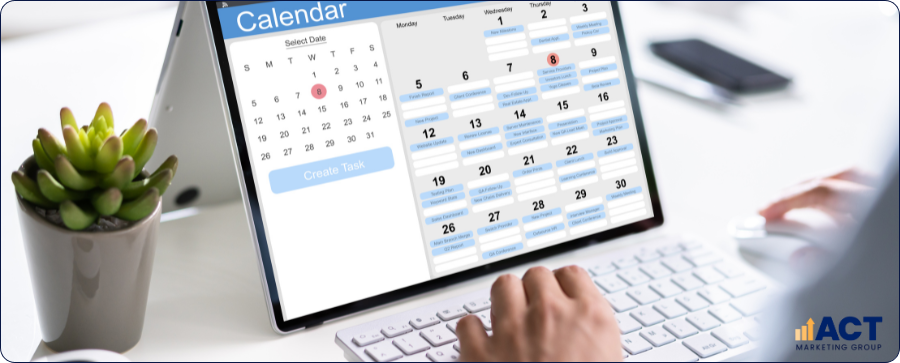
Plan a realistic content strategy and content calendar
A content marketing strategy does not need to be complex. Choose a few core content types that suit you, such as blog posts, email tips and short social media posts. Then build a light content calendar that shows which topics you will cover each month and where you will publish them.
Batch content creation where possible: outline several pieces at once, then set aside time to write or record them in one block. This saves mental energy and makes creating content feel like a planned task instead of a constant interruption. Once one strong blog post is ready, you can repurpose it into social media content, email marketing pieces and even scripts for short videos.
5. Use Social Media Marketing Without Burning Out
Social media marketing is important, but it can also be one of the most overwhelming parts of digital marketing because there are so many platforms. A social media marketing checklist keeps you focused on the platforms and activities that actually move you towards your business objectives.
Choose one or two core platforms where your target audience already spends time, rather than trying to post on multiple platforms just for the sake of it. This might be Facebook, Instagram, LinkedIn or another social media channel, depending on your industry and target market.
Build a simple social media marketing strategy
Clarify what you want social media to do for you: build awareness, generate leads, drive traffic to landing pages, or support customer retention. Then choose a content mix that fits, such as educational tips, behind‑the‑scenes updates, social proof, and clear offers.
Create a basic schedule for social media posts so you are not deciding what to say at the last minute. Include a mix of text, images and simple visual elements to catch attention quickly in busy feeds. Use scheduling tools to load your content calendar once a week or fortnight, so your social media marketing can run in the background.
Use social media ads carefully
Social media ads can help you reach a specific audience faster, but they should support a successful strategy rather than replace it. Start small by running focused campaigns that send people to clear landing pages or product pages instead of your homepage.
Keep an eye on ad spend and pay attention to campaign performance using simple metrics such as clicks, leads and sales. When you see that a particular audience, message or visual performs well, you can gradually increase budget. If something is not working, adjust your targeting, creative or offer instead of simply spending more.
6. Keep Email Marketing Consistent and Useful
Email marketing remains one of the most reliable ways to stay in touch with your target customers and improve customer retention. A short email marketing checklist helps you make the most of this channel without turning it into a big job.
First, make sure your website has clear sign‑up forms where visitors can join your list in exchange for something useful, such as a free checklist, short guide or special offer. Explain what kind of emails they will receive so expectations are clear from the start.
Build a light email marketing checklist and rhythm
Set up a simple welcome series that introduces your business, shares one or two helpful resources and explains how you work. This helps new subscribers feel looked after and moves them gently towards taking action.
After that, choose a realistic sending rhythm, such as once a month or every two weeks. Focus on providing helpful content, news and occasional offers rather than constant sales messages. Over time, this builds trust and keeps you front of mind when people are ready to act.

7. Use Paid Advertising and PPC Campaigns Wisely
Paid advertising, including a Google Ads or PPC campaign, can speed up your visibility when used with a clear plan. The goal is not to be everywhere, but to choose digital channels where your target audience is searching or browsing and match your message to their intent.
If you use Google Ads, start with tightly focused campaigns around your most valuable services and locations. Send clicks to well‑structured landing pages with clear calls‑to‑action, rather than generic pages. Keep your ad copy plain and clear so people know exactly what to expect when they click.
Manage paid ads and measure campaign success
Whether you are running search ads, social media ads or other paid ads, focus on a few key metrics like cost per enquiry, cost per sale and overall campaign success. Track campaign performance regularly so you can make data driven decisions instead of relying on guesswork.
If a campaign is not working, review your targeting, message, visual elements and offer before increasing ad spend. Often small changes can unlock better results. When a campaign performs well for your online business or small business, you can keep it running longer and treat it as a repeatable part of your digital marketing checklist.
8. Measure, Review and Make Data Driven Decisions
No digital marketing strategy is complete without regular review. Measuring results helps you understand which marketing channel is working best and where to focus your time and budget next.
Use simple analytics tools to track website visits, popular pages, enquiries and sales. Check which digital channels send the most valuable traffic: organic search engines, social media, email marketing or paid ads. Over time, patterns will emerge that show where to invest more and where to scale back.
Create a regular review habit
Set a recurring reminder, such as once a month or once a quarter, to review your marketing checklist and numbers. Look at trends rather than single days, and note which blog posts, landing pages, marketing campaigns or social media posts performed best.
Use these insights to refine your content strategy, social media marketing strategy and future digital marketing campaigns. When you base choices on real data rather than assumptions, your marketing becomes more efficient and supports your wider business objectives.

9. Turn This Marketing Checklist into Action
A digital marketing checklist only works if it fits the way you and your team operate. Start by choosing a small own set of tasks from each section that feels realistic for the next month. You can always add more once the basics are in place.
Share this marketing checklist with your team so everyone understands priorities and how their work supports a successful strategy. Decide which tasks you will handle personally and which can be delegated or outsourced, such as content creation, link building, or managing a PPC campaign.
Over time, this structured approach turns digital marketing from a source of stress into a dependable system. Instead of reacting to slow periods, you will have regular marketing activity across the right digital channels, guiding potential customers along the customer journey and supporting steady growth.
How ACT Marketing Can Help
Managing this complete digital marketing checklist on your own can feel like a full‑time role, especially when you are also the small business owner responsible for service delivery and personal development. We help businesses in the ACT and across Australia design and run digital marketing campaigns that match their target audience, budget and goals.
If you want support with your content marketing strategy, social media marketing checklist, email marketing checklist, SEO foundations or paid advertising setup, we can work with you to build a clear plan and handle the heavy lifting. We focus on practical steps, simple language and data driven decisions, so your marketing feels manageable and aligned with where you want your business to go.