
Email marketing is still one of the most reliable ways for Australian businesses to grow revenue because it gives you direct access to your contacts in their inbox, without relying on changing social media algorithms. When your messages are clear, relevant and timed well, you can drive more enquiries, bookings and sales from both new prospects and existing customers.
In this article, you will learn how to plan rocket email campaigns that feel seamless for users while giving your team better control over your workflow. You will see how to grow your list, manage your account and track results in real time so you can keep improving performance over time.
Why Email Marketing Still Drives Results
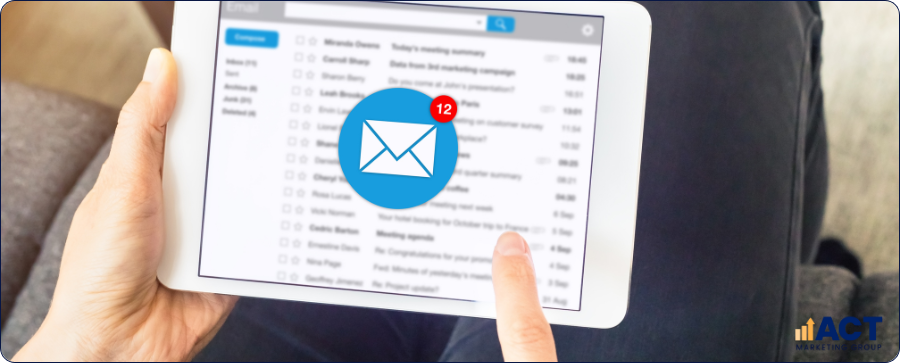
Email marketing works because people can open your mail on their own devices when it suits them, whether that is on a browser at the office or on a phone at home. Unlike other web channels, you own the relationship with your recipients, which means you can connect with them repeatedly without extra ad fees every time.
When you respect limits and only send messages that match what people signed up for, you usually see higher engagement on each campaign. Over time, this consistent contact builds trust in your brand and keeps your services, promotions and events front of mind for the people who are most likely to purchase.
Get a Customized Marketing Strategy for Your Business
Schedule a free consultation to discuss how our digital marketing solutions can help you reach more customers.
What A “Rocket” Email Campaign Looks Like
A rocket email campaign is focused, simple and built around a clear goal, such as driving bookings, online sales or event registrations. Each email has one main message, one key call to action and a clean layout that makes it easy for users to act, no matter what devices they are using.
Behind the scenes, a strong campaign uses data to decide who should receive emails, when they should receive them and what offer they should see. This helps your team manage the process, avoid sending unnecessary messages and give each contact the most relevant information for their situation.
Build A High-Quality, Compliant Email List
A high-converting campaign starts with a list of people who have chosen to hear from your organisation. The most common way to do this is to add a simple sign-up form to your website, landing page or contact page where users can share their email address and basic details in exchange for something useful.
You might offer a free guide, a helpful checklist, a video series, a discount or early access to new services as an incentive to sign up. Make sure your form clearly explains what type of messages people will receive, how often they will receive emails and how they can manage their preferences or unsubscribe at any time.
Smart Ways To Grow Your Contacts
You can add sign-up options wherever customers naturally interact with your brand. This might include your homepage, blog posts, booking page, event registration page, or even a simple box at the bottom of a web article to capture interested prospects.
Offline, you can invite people to join your list when they visit your office, attend events or call your phone line, then add their contact details into your account with their permission. The key is to keep the process quick and respectful, so your contacts feel supported rather than pushed.
Segment Your Audience for Higher Engagement
Segmentation means dividing your email list into groups, so different recipients receive messages that are more relevant to them. For example, you might have one segment for new prospects, another for regular customers and another for people who have not opened your emails for a while.
This approach helps you send more targeted promotions and content that match each group’s interests and stage in the buying journey. When you do this well, you are more likely to see higher engagement because people feel like the messages were written for them rather than a generic audience.
Simple Segments You Can Create
You do not need complex tools to start segmenting your list. You can group contacts by location, services they have used, pages they have visited on your website, or whether they have made a purchase or not.
You can also segment by behaviour, such as people who clicked a link in a recent mail, opened several campaigns, or visited your pricing page but did not complete a form. These segments help you plan follow-up messages that address common questions and remove barriers to success for each group.
Map Out Conversion-Focused Email Journeys
Instead of sending one-off broadcasts, think of your email marketing as a series of journeys. Each journey is a plan for how you will engage someone from the moment they first sign up right through to their first purchase and beyond.
For example, a new subscriber might receive a welcome sequence that shares more about your brand, highlights your core services and explains how you support clients. Later, they might receive promotions, case studies or videos that help them understand your solution in more detail before they decide to book, call or buy.
Key Email Journeys To Plan
A welcome journey is often the most important because it sets the tone for the relationship and explains what people can expect from your organisation. This is a good place to include your contact details, such as phone number, office address and links to key pages on your website where people can learn more about your services.
Other useful journeys include abandoned enquiry or abandoned cart sequences, simple reactivation campaigns for inactive contacts, and event reminder workflows for people who have registered but may need a nudge. Together, these flows help you stay present without overwhelming recipients.
Write Emails That Get Opened and Clicked
Strong copy keeps your messages clear and easy to act on. A good subject line tells recipients what the email is about and why it matters, while the preview text can add context or highlight a time‑sensitive offer, such as limited availability or a short-term promotion.
Inside each email, keep paragraphs short and focused on one idea at a time. Use headings to break up content, and place your primary call-to-action button or link where it is easy to see in both desktop and mobile views, whether people read in a browser or an app. The goal is to make it simple for users to click through, visit your site and complete the next step in the process.
Conversion-Focused Copy Essentials
Each email should answer three simple questions quickly: what is this about, what is the benefit for the reader and what should they do next. Aim for one clear call to action, such as “Book A Call”, “Get Your Free Guide” or “View Pricing And Plans”, so you do not dilute focus.
Adding social proof, testimonials or short stories about real customers can also help. These elements show that other people have had success with your services and give prospects confidence to move forward, especially when they are comparing options or deciding whether to hire your team.
Time Your Campaigns for Australian Audiences
When you send an email can be almost as important as what you send. For many Australian audiences, mid‑week and mid‑day sends often work well, because people are more likely to check their inbox regularly during these times.
It is also worth considering the nature of your organisation and the type of contacts you have. If you work mainly with businesses, sending during standard office hours may make more sense, while consumer-focused campaigns may perform better in the evenings or weekends when people have more time to read and respond.
Test and Refine Your Timing
No single timing rule works for every list, so it is important to test. Try sending the same campaign at different times or days to smaller segments of your list, and use the data to see which option delivered higher engagement.
Once you see patterns in open and click rates, you can build your future schedule around those insights. Remember to review these results regularly because behaviour can change over time as your list grows or as your range of services expands.
Stay Transparent And Respect Preferences
People are more likely to stay on your list when they feel in control. Every email should make it easy for recipients to update their preferences, manage how often they receive emails or unsubscribe if your messages are no longer relevant.
Including clear contact details in your footer, such as your office location, phone, website and a direct mail address where appropriate, also builds trust. When recipients know exactly who is contacting them and how to reach you, your brand feels more real and reliable.
Why Clarity Supports Better Performance
Being clear and honest in your messaging reduces confusion and avoids frustration for users. When recipients understand why they are receiving your mail and how it will help them, they are far more likely to open your messages and engage with your offers.
This clarity also helps your team manage expectations internally, because everyone understands what each campaign is meant to achieve. Over time, this shared understanding supports a smoother workflow and more consistent results.
Have Questions?
We're Here to Help!
Measure, Optimise And Scale Your Results
To truly boost conversions, you need to track more than just opens. Keep an eye on key metrics such as click rates, form submissions, enquiries, sales, unsubscribe rates and spam complaints, so you can see how each campaign contributes to your goals.
Use your email platform’s reporting tools to view results by campaign and by segment, and compare performance over time. Look for patterns in which subject lines, content types, offers, pricing pages or event campaigns draw the strongest response, then use those insights to shape your next plan.
Practical Optimisations That Add Up
Start by testing one element at a time, such as changing the subject line style, trying a different call-to-action button or adjusting the length of your emails. This makes it easier to see which change led to better results.
Clean your list regularly by removing contacts who have not opened any messages for a long period, or send them a short re‑engagement sequence offering a clear choice to stay or leave. This helps keep your list accurate, improves deliverability and ensures your resources go towards the recipients who still want to hear from you.
Bring It All Together For Your ACT Business
For ACT businesses, email marketing works best when it is aligned with your broader digital strategy. You might use SEO to bring visitors to your site, invite them to sign up for a free resource on a key page, then nurture them with emails until they are ready to book or buy.
When your campaigns are set up correctly, they become an always-on system that works quietly in the background, connecting with new prospects, supporting existing customers and generating a steady flow of enquiries and sales. This is where rocket email campaigns really shine: they keep working long after you send the first message.

Ready To Launch Your Own Rocket Email Campaigns?
Rocket email marketing campaigns give you a straightforward way to promote your services, grow your contacts and turn more website visitors and prospects into loyal customers. By focusing on list quality, smart segmentation, clear copy and ongoing optimisation, you can build a process that supports long-term success rather than one‑off spikes.
If you would like support to plan, create and manage high-converting email campaigns that fit your brand and your goals, we can help you design a tailored solution, integrate it with your existing web presence and give your team the tools, workflows and insights needed to track performance in real time and keep improving.