
How to target the right audience online for better conversions starts with understanding that vague targeting online leads to wasted budget, low conversion rates, and a lot of frustration for Australian businesses. When your marketing campaigns try to speak to everyone, your message becomes less relevant and the people you really want to reach simply scroll past.
Why Targeting the Right Audience Matters
If your ads and content are reaching the wrong consumers, even a strong service or product will struggle to convert. Clear targeting online helps you focus on potential customers who match certain criteria, such as location, interests, and pain points, instead of chasing people who were never likely to buy.
Good targeting also makes every part of your digital marketing more efficient. When your marketing strategy focuses on specific audience segments, it becomes easier to create campaigns, choose channels, and decide what kind of customer experience you want people to have on your website or other channels.
Get a Customized Marketing Strategy for Your Business
Schedule a free consultation to discuss how our digital marketing solutions can help you reach more customers.
The Cost of Unfocused Marketing Campaigns
“Spray and pray” advertising might deliver a lot of impressions, but it rarely leads to higher engagement or strong conversion rates. If your campaigns are based on guesswork rather than real customer data, you risk spending on digital ads that look busy but do not bring in new customers or re-engage lapsed shoppers.
On the other hand, when you use simple online data such as purchase history, customer preferences, and basic behavioral data, your targeted ads can speak directly to what your audience cares about. This kind of online targeting gives you a better chance of connecting with ideal customers in a way that feels natural and useful, rather than interruptive.
Core Steps To Target The Right Audience Online
Targeting the right audience is not about complicated tools; it is about knowing who your customers are, where they spend time online, and what they need from your business. These steps will help you create a digital marketing strategy that feels grounded and practical.
Step 1: Define Your Ideal Customers
Start by looking at your existing customers and asking who brings the most value and is easiest to support. Think about your existing customer base in terms of their location, common pain points, and how they first found your business, whether through your website, referrals, or other marketing efforts.
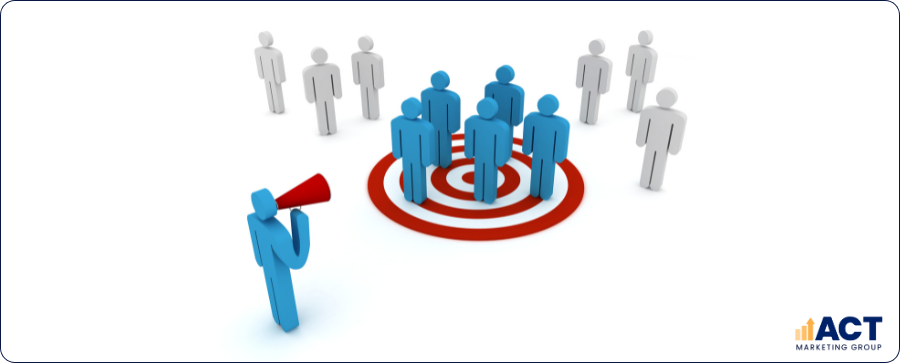
From there, create a simple picture of your ideal audience. Include details like age range, local area, job role, and key interests, as well as what they want from your service or product. These ideal customers become the centre of your marketing, and every campaign should aim to connect with people who look and behave like them.
Step 2: Use Demographic and Behavioural Targeting
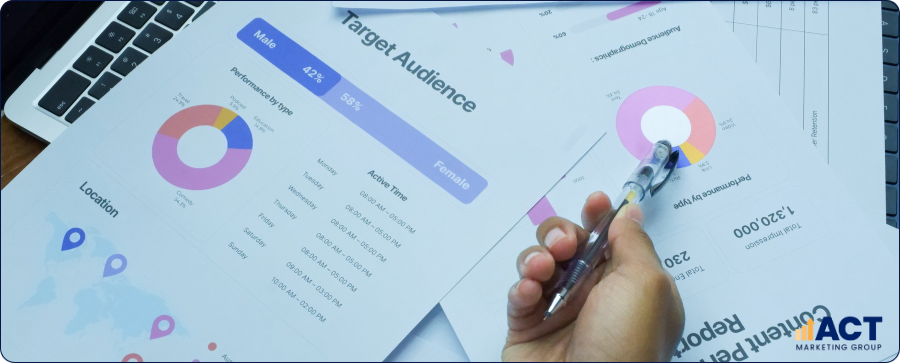
Once you have a clear picture of your ideal customers, you can tap into basic demographic targeting and behavioral targeting to reach similar people. Demographic targeting focuses on details like age, location, income level, and household type. This is especially useful for local businesses that only serve certain suburbs or regions.
Behavioural targeting looks at how users behave online, such as the web pages they view, the devices they use, the time they spend on your site, and their past behavior such as purchase history or repeated visits. Online retailers, for example, can identify frequent buyers, lapsed shoppers, and first‑time visitors, then create tailored campaigns for each audience to improve brand loyalty and sales.
Step 3: Match Channels To Where Your Audience Spends Time
Different audience segments spend their time on different platforms. Some users might search on Google when they need a local service, while others discover brands through social platforms or email. Your digital marketing strategy should reflect where your customers already spend time, instead of trying to be everywhere at once.
Start by reviewing your existing data across various channels. Look at where people first discovered your business, which campaigns brought the most enquiries, and which online ads or content pieces led to real sales. Then put more effort into the channels that consistently connect you with relevant consumers and reduce spend in areas that do not support your ultimate goal.
Step 4: Align Your Message with Customer Intent
Your message and offer should match what your audience is looking for at that moment. When someone searches online for a specific service, they are usually closer to a decision than someone who is just browsing a blog article or social feed.
Make sure your website pages, ads, and content speak clearly to the specific pain points and interests of each audience segment. For example, you might create one landing page aimed at new customers, another for existing customers who need an upgrade, and a third designed to re engage lapsed shoppers. This approach keeps your marketing campaigns relevant and gives people a clear next step.
Using Data Without Overcomplicating Things
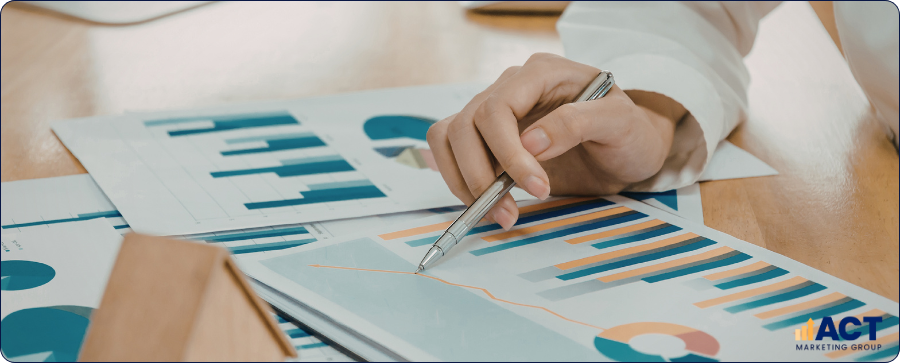
You do not need to be a data scientist to use data well. The goal is simply to collect information that helps you understand your customers better and improve your marketing efforts over time.
Make Good Use of Existing Data
Start with the existing data you already have. This might include enquiry forms, basic purchase history from your point‑of‑sale system, email list performance, or simple website analytics. These sources can show you which products people prefer, which services get the most interest, and which pages users visit before they get in touch or buy.
You can also use market research methods like short surveys or focus groups with a small sample of your customer base. Ask clear, straightforward questions about what they were looking for, what made them choose your brand, and what almost stopped them from buying. This is one of the simplest ways to collect information that directly improves your customer experience.
Use Simple Online Targeting Tools
Many advertising platforms allow you to identify audience segments based on interests, location, devices, or past interactions with your website. You can run ads based on people who have visited certain pages, added items to a cart, or engaged with your brand in the past.
Contextual targeting is another useful option. Rather than relying heavily on personal data, contextual targeting places digital ads alongside content that is relevant to your service or product. For example, a fitness brand might show ads on web pages about healthy living, while an accounting firm might appear on pages related to business finance. This helps you reach new audiences in a way that feels natural and timely.
Practical Examples for Australian Businesses
Sometimes the easiest way to understand audience targeting is to see how it works in different types of business. Here are some simple, relatable examples.
Local Service Business Example
Imagine a local service business that wants to attract more customers in a specific suburb. The team might use demographic targeting to focus only on people within a short driving distance of their office, and then create targeted ads that talk directly about local pain points, such as busy schedules or difficulty finding reliable help.
They could use their existing data to see which services are most popular and which times of year drive more enquiries. Based on this, they might run seasonal campaigns, adjust messaging, or re-engage past customers who have not booked in a while, reminding them of the benefits of staying up to date.
Online Retailer Example
An online retailer can use behavioral targeting to recognise frequent buyers and lapsed shoppers. Frequent buyers might receive rewards or early access to new products, which supports brand loyalty and encourages higher engagement.
Lapsed shoppers, on the other hand, might see gentle reminder emails or digital ads that highlight relevant products based on past behavior. By tailoring campaigns to these different audience segments, online retailers can target shoppers in ways that feel helpful rather than pushy and steadily improve both conversion rates and average sales per customer.
Have Questions?
We're Here to Help!
Ongoing Testing and Optimisation
Targeting the right audience is not something you do once and then forget. It is an ongoing process of testing, learning, and refining your approach so your marketing efforts stay aligned with your audience and the market.
Test Small, Learn Fast
Instead of changing everything at once, create small tests within your campaigns. For example, you might test two different headlines with the same audience or show one audience two different offers to see which one gets more clicks and enquiries.
Keep an eye on simple metrics such as clicks, enquiries, and completed purchases. Over time, you will see patterns about which messages, channels, and audiences deliver the best results, and you can shift your spend and focus to those areas.
Keep The Customer Experience at the Centre
No matter how clever your targeting becomes, the ultimate goal is to make it easier for customers to find you, understand what you offer, and feel confident choosing your brand. Every decision you make about targeting online should support a smooth, respectful experience for the user.
When you respect customer preferences, speak clearly about the benefits of your service, and keep your advertising focused on real needs rather than empty promises, you build trust. That trust is what turns new audiences into long‑term customers and supports steady growth in revenue over time.
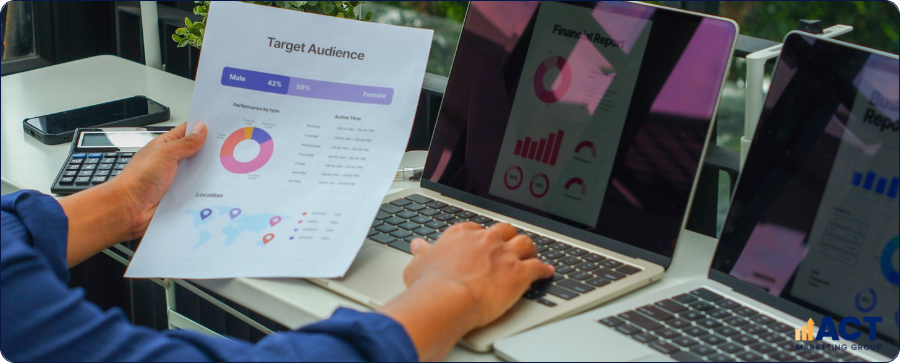
Conclusion: Put Your Audience First for Better Conversions
When you know how to target the right audience online for better conversions, you no longer have to rely on guesswork or hope that your message somehow reaches the right people. By understanding your ideal audience, using simple demographic and behavioral targeting, and grounding your marketing campaigns in real customer data, you can create more relevant and effective campaigns.
Over time, this approach leads to higher engagement, stronger brand loyalty, and more predictable sales results. Instead of chasing every new trend, you can focus on serving the right customers well and letting that clarity guide your digital marketing strategy.
Get Support with Smarter Targeting
If you want support to identify your ideal customers, improve your online targeting, and build marketing campaigns that connect with the right audience across various channels, ACT Marketing is ready to help. Our team can work with your existing data, refine your digital marketing strategy, and help you create simple, effective campaigns that feel right for your business and your customers in Australia.