

How to structure content for AI SEO has become the cornerstone of modern digital marketing success, fundamentally changing how Australian businesses approach search engine optimization. As artificial intelligence transforms the way search engines understand and rank content, traditional SEO strategies no longer guarantee visibility in search results or AI powered platforms like ChatGPT, Perplexity, and Google's AI Overviews.
The shift toward AI search presents both opportunities and challenges for Australian businesses. While AI algorithms can process content more intelligently than ever before, they require specific structural signals to properly interpret and cite your content. Understanding these requirements isn't just beneficial—it's essential for maintaining competitive visibility in Australia's digital marketplace and improving your website's visibility.
Why AI SEO Content Structure Matters More Than Ever
The landscape of search engine optimization has fundamentally shifted with the introduction of AI powered SEO tools and machine learning algorithms. Understanding why proper content structure matters in this new environment is crucial for Australian businesses looking to maintain their competitive edge and improve their search engine rankings.
Get a Customized Marketing Strategy for Your Business
Schedule a free consultation to discuss how our digital marketing solutions can help you reach more customers.
The Rise of AI-Powered Search Results
Search engines are no longer simply matching keywords to web pages through simple keyword matching. Modern AI powered SEO tools like Google's Search Generative Experience and Bing Chat are creating comprehensive answers by synthesising information from multiple sources. This transformation means your website content needs to be structured in ways that AI search engines can easily extract, understand, and reference.
Recent data shows that businesses observed improved content quality and higher content marketing ROI after integrating AI tools into their content creation strategies. For Australian businesses, this presents a clear competitive advantage: those who optimise for AI search now will capture market share from competitors still relying on outdated traditional SEO practices.
How AI Interprets Content Differently
Unlike traditional search crawlers that primarily relied on target keywords and link building, AI algorithms analyse content through semantic understanding. They examine the relationships between concepts, the logical flow of information, and the clarity of presentation. This means your content structure directly impacts whether AI search engines will choose to cite your website in their AI generated answers.
Machine learning algorithms prioritise content that demonstrates clear hierarchy, logical organisation, and direct answers to search queries. When someone asks an AI powered tool about your industry or services, structured content increases the likelihood that your business will be mentioned in the response, driving relevant traffic to your website.
Essential Elements of AI-Friendly Content Structure
Creating content that AI algorithms can easily understand and reference requires specific structural elements that go beyond traditional SEO approaches. These fundamental building blocks ensure your content performs well across all AI powered platforms and search engine results pages.
Clear Heading Hierarchy Creates Understanding
Your heading structure serves as a roadmap for both readers and AI algorithms. A well-organised hierarchy using H1, H2, and H3 tags helps AI search understand the relationship between different topics and concepts on your page, supporting effective on page optimization.
Start with a single, descriptive H1 tag that clearly states your page's primary topic. Follow this with H2 tags that introduce major sections and use H3 tags for detailed subtopics. This logical progression helps AI powered SEO tools understand which information is most important and how different concepts relate to each other.
For Australian businesses, this content structure is particularly important when targeting local search queries. AI systems can better understand your geographic relevance and service offerings when your headings clearly indicate location and expertise areas, improving your search engine rankings.
Front-Loading Key Information
AI systems tend to prioritise information that appears early in content. This means your most important insights, definitions, and answers should appear near the beginning of each section, not buried in lengthy paragraphs. This approach supports better page optimization and helps search engines understand your content's value.
Structure your content so that the first sentence under each heading provides a clear, direct answer to the question or topic being addressed. This approach aligns with how AI algorithms extract information for featured snippets and AI generated results.
Short, Self-Contained Paragraphs
Long walls of text intimidate both human readers and AI algorithms. Keep your paragraphs focused on single concepts and ensure each paragraph can stand alone as a complete thought. This approach helps AI powered SEO tools extract relevant information without losing context.
Aim for paragraphs of 2-3 sentences maximum, particularly when addressing specific questions or providing step-by-step guidance. This structure makes your content more scannable for users while improving the likelihood that AI search engines will cite specific portions of your content in search results.

Implementing Structured Data for AI Understanding
Structured data serves as the bridge between your human-readable content and AI algorithm comprehension. Proper implementation of schema markup and structured data elements significantly improves how AI powered SEO tools interpret and categorise your content for better search optimisation.
The Power of Schema Markup
Schema markup acts as a translator between your content and AI algorithms. While your content might be clear to human readers, schema markup ensures AI powered tools understand exactly what each piece of information represents, supporting your overall SEO strategy.
Implementing structured data using JSON-LD format provides explicit context about your content type, whether it's an article, product description, FAQ section, or local business page. Research shows that a significant portion of featured snippets are derived from schema markup, highlighting its importance for AI search visibility.
Essential Schema Types for Australian Businesses
Different types of website content benefit from specific schema markup approaches. For service-based businesses, LocalBusiness schema helps AI search engines understand your geographic service areas and contact information. Article schema supports blog content and guides, while FAQ schema is particularly effective for question-based content that AI algorithms frequently reference.
Product schema becomes crucial for e-commerce businesses, as AI powered SEO tools increasingly provide direct product recommendations and comparisons. By implementing comprehensive schema markup, you're providing AI algorithms with the clear, structured information they need to confidently recommend your products or services in search engine results pages.
Testing and Validation
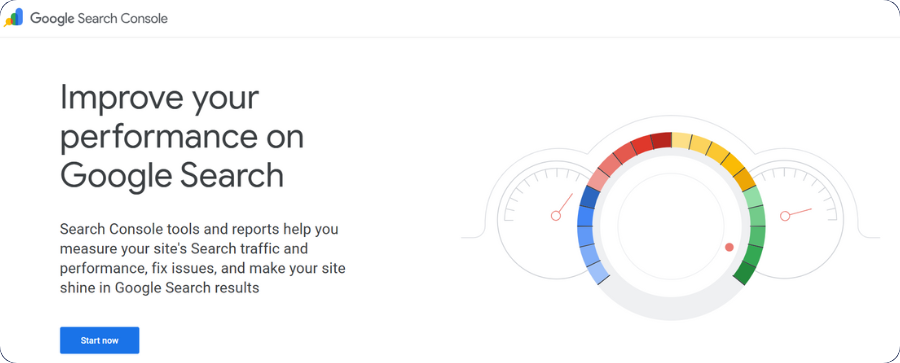
Google Search Console and Schema.org validators help ensure your structured data is correctly implemented. Regular testing prevents errors that could prevent AI search engines from properly interpreting your content. Given the rapid evolution of AI powered SEO capabilities, ongoing validation ensures your markup remains effective as systems evolve.
Content Formatting Techniques That AI Systems Prefer
The way you format and present your content directly influences how effectively AI algorithms can process and utilise your information. Understanding these formatting preferences helps ensure your content appears in AI generated answers and improves your overall search engine rankings.
Lists and Tables for Clear Information
AI algorithms excel at extracting information from well-formatted lists and tables. When presenting step-by-step processes, comparisons, or feature lists, use numbered lists or bulleted formats that make information easy to scan and extract for better content optimization.
Tables work particularly well for comparison content, pricing information, or technical specifications. AI systems can easily extract specific data points from properly formatted tables, making your content more likely to appear in AI generated answers to comparative queries and improving your search rankings.
Strategic Use of Semantic Cues
Help AI algorithms understand the role each section plays by using clear semantic indicators. Phrases like "Step 1," "Key takeaway," "In summary," or "Most common mistake" signal to AI powered SEO tools how different pieces of information should be categorised and used.
These semantic cues become particularly important for Australian businesses targeting voice search and visual search queries, as AI powered tools rely on these signals to provide accurate, contextual responses to spoken questions and image-based searches.
Avoiding Content Noise
Pop-ups, excessive calls-to-action, and interrupting elements can confuse AI algorithms trying to extract relevant information. While these elements might not be visible to users, they often remain in the page's code structure, potentially diluting the clarity of your content for AI search interpretation.
Focus on clean, uninterrupted content flow that allows AI powered SEO tools to easily identify and extract key information without navigating through promotional elements or navigation structures.
Have Questions?
We're Here to Help!
Optimising for Featured Snippets and AI Overviews
Featured snippets and AI overviews represent prime real estate in search engine results pages, offering significant visibility opportunities for businesses that structure their content appropriately. Understanding how to optimise for these features is essential for maximising your AI SEO efforts.
Understanding Google's AI Overviews Landscape
Google's AI Overviews represent a significant shift in how search engine results pages are presented. These AI generated summaries often synthesise information from multiple sources, but they prioritise content with clear structure and direct answers to user intent.
Unlike traditional featured snippets that pull from a single source, AI overviews may combine information from several websites to create comprehensive responses. This creates opportunities for Australian businesses to gain visibility even in competitive markets by providing unique, well-structured information that complements other sources through effective generative engine optimization.
Crafting Snippet-Worthy Content
Content that performs well in AI overviews shares common characteristics: it provides direct answers, uses clear formatting, and addresses specific search intent. Focus on creating content that answers questions completely within individual sections, allowing AI algorithms to extract comprehensive answers without requiring additional context.
Question-focused structuring works particularly well for service-based businesses. Create content that directly addresses common customer questions about your industry, services, or local market conditions. This approach increases the likelihood that AI powered SEO tools will reference your expertise when responding to related queries, driving organic traffic to your website.
Measuring AI Search Performance
Traditional SEO metrics don't fully capture AI search performance. Monitor changes in organic traffic patterns using Google Search Console, particularly increases in direct traffic that may result from AI powered recommendations. Track brand mentions and citations in AI generated results using advanced AI tools that monitor AI platform outputs.
Pay attention to voice search analytics and local search performance, as these often reflect AI algorithm preferences for well-structured, locally relevant content.
Advanced Strategies for AI Content Optimisation
Taking your AI SEO efforts beyond basic implementation requires sophisticated strategies that leverage the full potential of AI powered SEO tools and emerging technologies. These advanced approaches help establish your business as a topical authority while maximising visibility across all AI platforms.
Building Topical Authority Through Structure
AI systems recognise and reward comprehensive coverage of topics through content analysis. Structure your content to demonstrate deep expertise by connecting related concepts and providing thorough coverage of your subject areas, supporting your overall SEO efforts.
Create content clusters around your core services or expertise areas, with each piece of existing content building upon others through strategic internal links and consistent structural approaches. This helps AI algorithms understand the breadth and depth of your knowledge in specific areas, improving your search engine rankings.
Conducting Effective Keyword Research for AI
Modern keyword research must account for how AI powered tools interpret search intent beyond simple keyword matching. Use SEO tools and AI SEO tools to identify emerging search trends and understand how your target audience phrases questions related to your services.
Focus on relevant keywords that align with conversational queries and long-tail search patterns that AI algorithms favour. This approach helps ensure your content appears in AI generated answers and improves your website's visibility for high-intent searches.
Multi-Format Content Integration
Modern AI algorithms can interpret and reference various content formats beyond text. Include relevant images with descriptive alt text, embed videos with comprehensive descriptions, and provide downloadable resources that demonstrate your expertise through comprehensive content generation.
Each content format should include appropriate structured data markup to help AI powered SEO tools understand the relationship between different media types and your core content message, supporting effective page optimization.
Leveraging AI Tools for Content Structure Optimisation
The effective use of AI SEO tools and AI powered platforms can significantly enhance your content structure optimisation efforts. Understanding how to integrate these tools into your workflow helps maximise their impact on your search engine optimisation strategy.
Essential AI SEO Tools for Australian Businesses
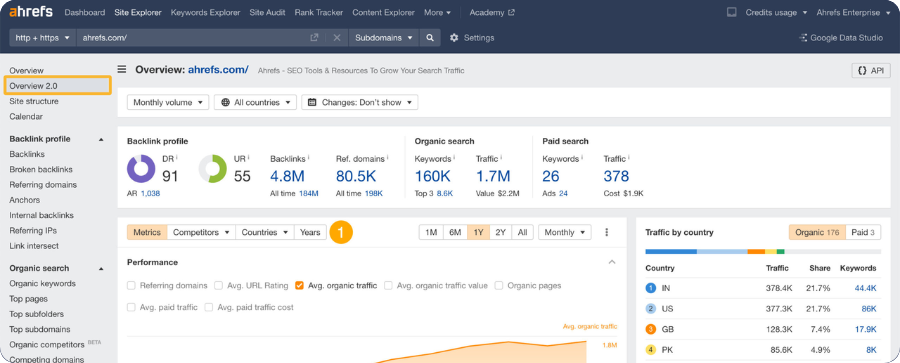
Professional SEO teams increasingly rely on AI SEO tools to optimise content structure and identify content gaps. Tools like Ahrefs AI Content Helper provide valuable insights into content optimization opportunities and help streamline SEO tasks.
These AI powered tools can analyse your existing content against top ranking pages, providing deeper insights into structural improvements that support better search optimization. Regular use of these tools helps SEO professionals maintain competitive content structures.
Data Analysis for Content Improvement
Use AI powered seo tools to conduct thorough data analysis of your content performance. Monitor keyword data, search volume trends, and competitor analysis to identify opportunities for optimizing existing content and improving your SEO toolkit.
Regular analysis helps identify which content structures perform best for your target keywords and enables continuous improvement of your content creation processes. This data-driven approach ensures your SEO strategy remains effective as AI algorithms evolve.
Integrating AI Tools into Your SEO Workflow
Successful integration of AI tools requires systematic approaches to content optimization. Develop workflows that incorporate AI powered SEO tools into regular content audits, keyword research, and performance monitoring activities.
Train your team to effectively use these tools for identifying emerging search trends, analysing semantic relevance, and optimising meta descriptions for improved search engine results. This comprehensive approach maximises the value of your investment in AI powered tools.

Measuring Success and Ongoing Optimisation
Continuous measurement and optimisation are essential for maintaining effective AI SEO performance. The rapidly evolving nature of AI algorithms requires constant monitoring and adjustment to ensure your content structure remains competitive and effective.
Key Performance Indicators for AI SEO
Success in AI SEO requires different metrics than traditional SEO approaches. Monitor improvements in organic click-through rates, increases in branded search queries, and growth in direct traffic that may result from AI recommendations through Google Search Console.
Track the appearance of your content in AI generated results and featured snippets. Use advanced AI tools that monitor AI platform outputs to understand how your content is being referenced and cited across different AI search engines.
Continuous Improvement Strategies
AI search capabilities evolve rapidly, requiring ongoing optimisation of your content structure. Regularly review and update your schema markup, refresh content to maintain accuracy, and adjust structural approaches based on performance data from your SEO toolkit.
Stay informed about changes in AI algorithm behaviour and updates that may affect how AI powered SEO tools interpret and rank content. Australian businesses that remain proactive in their SEO efforts will maintain competitive advantages as the landscape continues to evolve.
Futureproofing Your Content Strategy
The intersection of artificial intelligence and search engine optimization will continue to develop, with new platforms and capabilities emerging regularly. Focus on creating content structures that prioritise clarity, comprehensive coverage, and user value—principles that remain constant regardless of technological changes.
Invest in robust content management systems that support structured data implementation and allow for easy updates as AI search requirements evolve. This foundation ensures your SEO strategy can adapt to future changes while maintaining current performance levels.
Taking Action on AI SEO Content Structure
Implementing ai-friendly content structure isn't just about keeping up with search engine changes—it's about positioning your Australian business for sustained digital growth. The businesses that master AI SEO content structure today will dominate search visibility tomorrow, capturing market share from competitors who fail to adapt to these fundamental changes in search behaviour.
Start by auditing your existing content against AI SEO best practices: evaluate your heading hierarchy, implement appropriate schema markup, and restructure content to provide clear, direct answers to customer questions. Use Google Search Console and other SEO tools to monitor improvements and identify areas for further optimisation.
The investment in proper AI SEO content structure pays dividends across multiple channels: improved search rankings, increased visibility in AI generated responses, better user experience, and stronger topical authority in your industry. For Australian businesses competing in an increasingly digital marketplace, these advantages translate directly to increased leads, sales, and market share.
We specialise in helping Australian businesses navigate the complexities of AI SEO content structure, ensuring your digital marketing strategy remains competitive in this rapidly evolving landscape. Our comprehensive approach combines technical expertise with practical implementation, delivering measurable improvements in search performance and AI visibility that drive real business growth through effective search engine optimisation.