

15 Dental Marketing Ideas Australian Clinics Can Use to Grow Their Practice in 2026 is most effective when they help a dental practice show up in local search, convert interest into phone calls and bookings, and keep existing patients returning on schedule. This guide focuses on practical marketing ideas Australian clinics can apply in a crowded market, using clear language across dental marketing, digital marketing, and patient retention.
What Practice Growth Should Mean for a Dental Clinic in 2026
For most clinics, “growth” is not just getting more patients. It is improving patient numbers in a way the team can deliver consistently. That means attracting new patients who are a good fit for your dental services, while also protecting the lifetime value of your current patient base through reminders, rebooking, and clear communication.
In 2026, many potential patients compare options quickly across search engines, Google Maps, and social media. A reliable marketing strategy makes it easy for new and existing patients to understand what you offer, how to book, and what to expect.
Get a Customized Marketing Strategy for Your Business
Schedule a free consultation to discuss how our digital marketing solutions can help you reach more customers.
15 Dental Marketing Ideas to Improve Measurement and Decision-Making
The ideas below are written as stand-alone improvements you can assign to a practice manager or marketing partner. Each idea supports a stronger dental marketing plan by improving local search visibility, conversion, and patient retention without relying on complex language.
Idea 1: Treat Your Google Business Profile as a Core Marketing Channel
Your Google Business Profile influences visibility in local search and Google Maps, and it can drive high-intent phone calls. Check your categories, services, appointment link, and photos so a potential patient can decide quickly.
Idea 2: Improve Local SEO with Service and Suburb Pages That Help Real People
Local SEO works best when each page matches what people search for and answers the basics clearly. Build pages for priority services in priority areas, and include practical details like parking, accessibility, and booking steps.
Idea 3: Make Your Dental Website a Clear Path to Booking
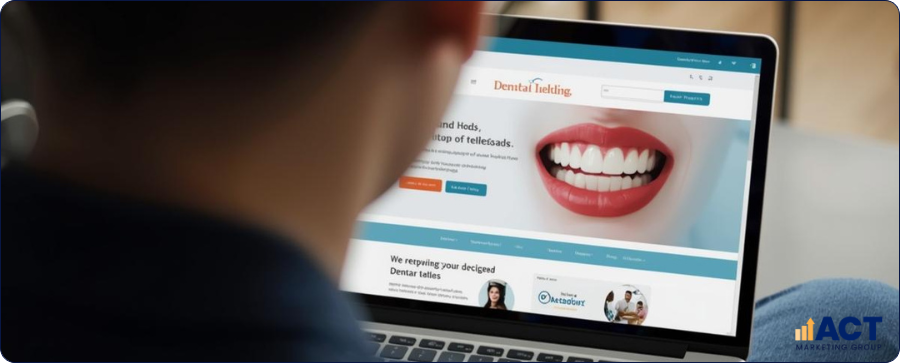
A dental website should do more than “look good.” Make it easy for patients to call, book, or request a callback, and ensure the first screen explains what the page is about and what to do next.
Idea 4: Add Cost and Process Pages for High-Intent Dental Procedures
Many patients search for cost and process before they call. Create pages for common dental procedures that explain what factors affect price, what a first visit involves, and what happens next to get a personalised plan.
Idea 5: Build a New Patient Page That Reduces Friction
A dedicated new patient page can increase bookings by removing uncertainty. Explain how the first appointment works, how long it usually takes, and what to bring, then link directly to booking options.
Idea 6: Use Google Reviews to Support Local Decisions, With Care
Google reviews are often a deciding factor for new patients, especially when clinics look similar. You can encourage patients to share feedback about their experience of the clinic, such as the friendliness of staff, ease of booking, or the comfort of the environment. However, under AHPRA advertising guidelines, reviews that reference clinical outcomes, treatment effectiveness, or the skills of a practitioner are classified as testimonials, which are prohibited in advertising regulated health services.
This means you should not solicit reviews about clinical results, and you should avoid responding to, liking, or re-sharing reviews that contain clinical content on platforms you control. If you respond to reviews, keep responses to non-clinical matters (for example, thanking someone for feedback about your team's communication). Consider having a clear internal process so your team understands the distinction.
Idea 7: Use Appointment Reminders to Protect Chair Time
Appointment reminders are not just operations. They support patient retention and reduce wasted time. Confirm upcoming appointments through your usual channels and make rescheduling easy so gaps can be filled. Keep in mind that recall notices can be considered advertising under AHPRA's guidelines, so reminders should be tied to clinically appropriate recall intervals rather than used as a blanket marketing tactic.

Idea 8: Run Google Ads Only for Searches with Clear Intent
Google Ads can work well when they are tightly matched to local search intent. Keep ads aligned to one service and one location, use location extensions where appropriate, and send traffic to a page that matches the exact search. Avoid time-limited offers or urgency-based calls to action (such as "Book now before spots fill up") as these can be problematic under AHPRA's advertising guidelines.
Idea 9: Create Social Media Posts That Answer Common Questions
Social media marketing is more reliable when it focuses on what people want to know. Use social media posts to explain how bookings work, what to expect at a visit, and simple oral health tips.
Idea 10: Use Short Form Video Format to Improve Trust and Clarity
Short form video format works when it reduces uncertainty. Simple clips about what a check-up includes, how to find the clinic, or how to book can help younger patients take the next step.
Idea 11: Publish Quality Blog Content That Matches Real Search Questions
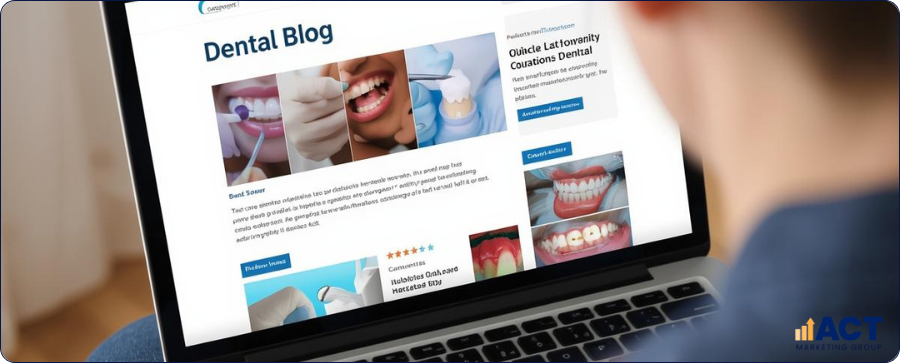
A blog post should exist to answer a specific question that patients search, not to fill a content calendar. Use content marketing to build topical depth around services you want to grow, then link that content to the relevant service pages.
Idea 12: Educate Patients with Dental Hygiene Tips That Support Retention
Educational content can support patient retention because it keeps the clinic top of mind between visits. Share dental hygiene tips, dental hygiene basics, and practical oral health guidance that encourages patients to stay consistent with care.
Idea 13: Build a Clear Pathway for Cosmetic Services Within AHPRA's Advertising Framework
Cosmetic services like teeth whitening, veneers, and other cosmetic treatments are commonly researched online. Create pages that explain options, suitability considerations, and what a consultation covers, without implying guaranteed outcomes. Be aware that teeth whitening and dental veneers are classified as higher-risk non-surgical cosmetic procedures under AHPRA's advertising guidelines (effective September 2025).
This means advertising for these services must include information about risks and realistic recovery expectations. Each page should identify the practitioner by name, registration type, and registration number. Avoid minimising language like "safe", "painless", or "quick" without providing full risk context. Do not target cosmetic procedure advertising at people under 18 years of age.
Wondering how to keep your dental marketing compliant while still improving bookings and marketing results? If you want a clear, practical approach, you can review ACT Marketing’s AHPRA-compliant dental marketing service here: Dental Marketing Services Australia - ACT Marketing Group.
Idea 14: Use Before and After Galleries Carefully and in Full Compliance with AHPRA
Before and after galleries can help explain what cosmetic dental services may involve, but AHPRA's guidelines for higher-risk non-surgical cosmetic procedures (including veneers and teeth whitening) impose strict requirements on their use.
If you choose to use before and after images, they must be genuine images of your own patients who received the specific procedure at your practice. Both images should match in lighting, camera angle, background, framing, posture, clothing, and makeup, and they must not be edited, filtered, or retouched in any way. The "before" image (or a combined composite) should be the most prominent image, not the "after". Every set of images must include a prominent warning that outcomes shown are specific to that patient and do not necessarily reflect results others may experience. Specify how long after the procedure the "after" image was taken.
You must obtain documented, informed consent from patients before using their images, separate from consent to the procedure itself. Patients must be able to withdraw consent at any time and do not use images of anyone under 18. Also be aware that the Dental Board of Australia has noted before and after images can be interpreted as testimonials in some contexts, so approach use conservatively.
Have Questions?
We're Here to Help!
Idea 15: Strengthen Patient Retention with a Simple Reactivation Process
Many clinics have a group of existing patients who have simply lapsed. Segment patients by how overdue they are based on their individual treatment plans and clinically appropriate recall intervals, send a calm reminder to let them know they are due, and offer a straightforward way to book. Ensure reactivation messaging relates to genuine clinical need rather than serving purely as a marketing exercise.

Final Thoughts on Dental Marketing for 2026 Planning
Dental marketing in 2026 is less about “doing more” and more about choosing powerful tools you can run consistently. When your Google Business Profile, local search presence, and booking pathways are strong, it becomes easier to scale digital marketing without wasting spend.
If you keep your marketing strategy focused on important factors, including local intent, conversion, and retention, you will be in a better position to grow more patients while keeping service quality steady for dental patients.
All dental marketing in Australia must comply with AHPRA's advertising guidelines and the Health Practitioner Regulation National Law. Practices should review their advertising regularly and seek compliance advice before implementing changes.
Turn These Dental Marketing Ideas into a 2026 Plan with ACT Marketing
If you want practical support applying these dental marketing ideas, ACT Marketing can help your dental clinic prioritise what to fix first, then build a plan that fits your capacity and services. This typically includes aligning local SEO and Google Business Profile improvements with conversion updates on your dental website, then adding Google Ads or other digital marketing efforts only where the numbers support it.
A useful starting point is a short review of your current marketing results: how many calls you receive, how many convert to bookings, and which channels bring in new patients versus returning patients. From there, it becomes clearer which marketing ideas will lift outcomes for both new and existing patients.
Frequently Asked Questions
These FAQs address common decisions clinic teams make when planning dental marketing and digital marketing in Australia. Use them to choose where to focus first, based on whether your biggest constraint is demand, conversion, or patient retention.
For many clinics, the fastest lift comes from improving Google Business Profile and the booking pathway on your site. When your listing and pages match local search intent clearly, more potential patients convert to calls and bookings.
Google Ads can be effective when the intent is clear, and the landing page matches the search. Keep ad campaigns focused, control your ad budget, and measure outcomes based on booked appointments, not clicks.
A consistent recall and reactivation process helps retain existing patients and reduces gaps in the schedule. Clear appointment reminders and easy rebooking can increase attendance without adding new advertising.
A dental website should make services easy to understand, explain what happens next, and offer simple booking options. For high-intent services, include clear process and cost guidance so patients can decide with less uncertainty.
Social media marketing can support awareness and education, but most high-intent bookings still come from local search and Google Maps. For best results, use social media to educate patients and support brand familiarity, while local SEO captures people ready to book.
Under AHPRA's advertising guidelines, dental practices cannot use testimonials about clinical aspects of care, including statements about treatment outcomes, procedure effectiveness, or practitioner skills. Non-clinical feedback about staff friendliness, booking ease, or clinic environment is permitted. Many clinics build trust through Google reviews that focus on the patient experience, clear service information, and educational content. For guidance on what you can and cannot include, contact ACT Marketing for a compliance-friendly approach.