
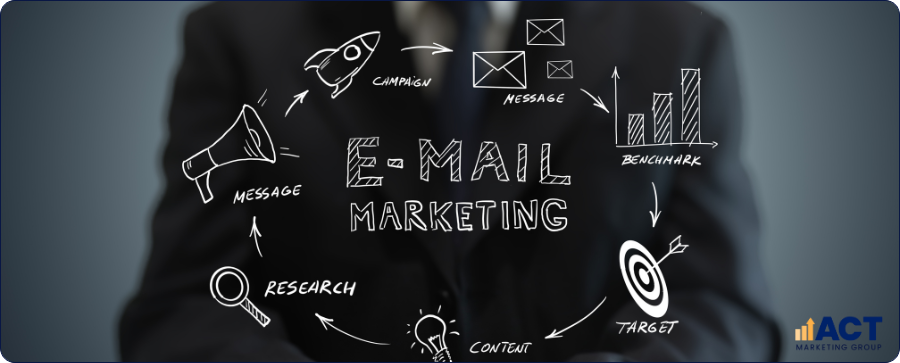
In the business to consumer space, Australian customers receive a constant flow of marketing emails, social posts and search ads every day. With such a crowded inbox, generic promotional emails that send the same message to everyone are easy to ignore and rarely deliver good customer engagement.
Why Personalised B2C Email Marketing Matters
B2c email marketing works best when email marketers send personalized emails that match customers interests and purchase behavior. When email campaigns reflect past purchases, browsing history and where someone is in the customer lifecycle, they feel more like valuable content and less like noise.
For ecommerce brands and online retailer businesses, personalised messaging can drive sales, improve conversion rate and support repeat purchases from existing customers. Even for companies that also sell to other businesses, personalised marketing emails that target individual consumers can complement other marketing channels by keeping your brand present between larger decisions.
Get a Customized Marketing Strategy for Your Business
Schedule a free consultation to discuss how our digital marketing solutions can help you reach more customers.
Respecting Australian Laws and Customer Trust
Before sending any promotional messages, make sure your email marketing efforts comply with Australian laws such as the Spam Act and the can spam act principles used more broadly. This means getting clear consent, including your business details and always offering an easy way to unsubscribe from email campaigns and re engagement campaigns.
Respecting privacy and explaining how you use customer data helps build brand loyalty and long-term customer relationships. When users prefer your emails because they understand why they are getting them and how they can control them, they are more open to sharing information that supports delivering personalization.
Building a Strong Customer Data Foundation
Personalised campaigns rely on accurate, useful customer data, not just a long list of addresses. Focus on collecting first party data that you will actually use, such as name, location, customers interests, purchase history and basic customer behavior across your website and marketing emails.
Over time, you can expand this to include behavioral data like browsing history, past purchases, cart abandonment reminders triggered by an abandoned cart, and engagement with push notifications or other channels. This gives you a clearer picture of how many recipients are opening, clicking and buying from your email marketing, which supports smarter future campaigns.
Collecting Data without Overwhelming New Subscribers
When new subscribers join your list, keep forms simple so they can sign up quickly. Ask for only the essentials you need to start sending welcome emails and simple personalized campaigns, such as first name, email address and a key interest or two.
After they are on your list, you can learn more through how they interact with marketing emails, what they click and how they respond to seasonal campaigns, early access offers and post purchase follow ups. This lets you enrich your customer data gradually without creating friction at the start.
Audience Segmentation for Business to Consumer Brands
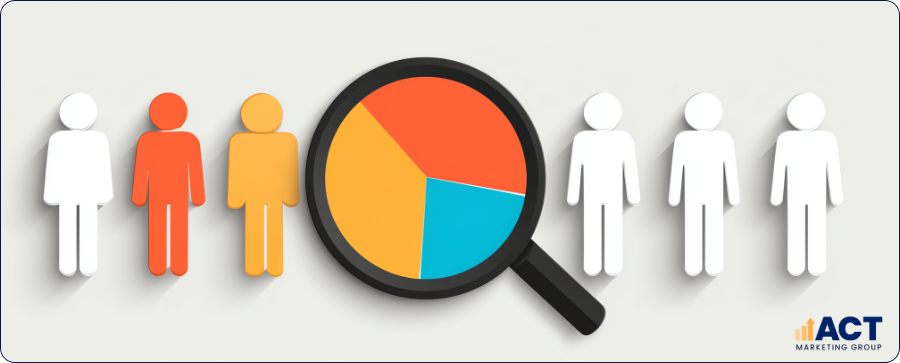
Audience segmentation is the process of dividing your list into customer segments based on shared traits or behavior, so you can send more relevant content. In b2c email marketing, this might include segmenting by location, age range, interests, purchase behavior, engagement level or where someone sits in the customer lifecycle.
This type of segmentation helps you avoid sending the same message to everyone and instead design email marketing campaigns that speak to specific needs. For example, you might treat inactive users differently from your most loyal, high value customers, or send different offers to people who have only downloaded a free plan compared with those who have made multiple purchases.
Practical Customer Segments You Can Use
For Australian business to consumer brands, some practical customer segments include:
New subscribers who need welcome emails to introduce your brand
Existing customers with recent past purchases who are ready for post purchase follow ups
Inactive users who have not opened recent marketing emails and need gentle re engagement campaigns
High value individual consumers who buy often and respond well to early access or seasonal campaigns
Shoppers who triggered cart abandonment reminders by leaving items in their cart
Each group receives personalized content that reflects where they are in their journey, improving click through rate and making your email marketing strategy more efficient.
Going Beyond First Name Personalisation
Adding a first name to subject lines is a simple start, but modern b2c email marketing goes much further. To really personalise email campaigns, you can tailor content based on purchase history, browsing history, customer behavior and customers interests.
For example, an online retailer might highlight different products for someone who often buys sports gear compared to a customer who usually purchases home goods. Instead of one generic newsletter, dynamic content blocks let you adjust promotional messages for each segment, so each email targets individual consumers with offers they are more likely to value.
Using Behavioural Data and Dynamic Content
Behavioural data shows how people interact with your website and marketing emails in real time. You can use this to create marketing emails such as:
Abandoned cart reminders showing the exact products left behind
Browse based follow ups that showcase similar items to those viewed
Product recommendation emails based on past purchases and customer segments
Re engagement campaigns that offer a simple reason to return, such as helpful tips or a small incentive
Dynamic content lets you build visually appealing emails where different sections appear for different segments, without creating separate campaigns from scratch. This keeps workload manageable while still delivering personalization at scale.
Crafting Engaging Subject Lines and Content
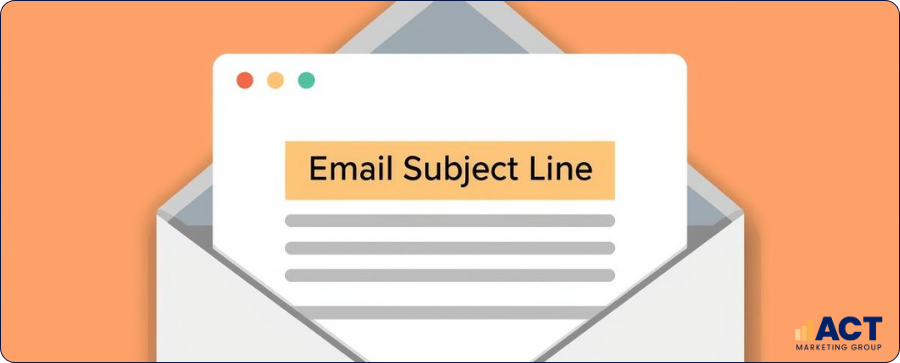
Subject lines are one of the most important elements in email marketing because they influence whether people open your email or scroll past it. Aim for clear, engaging subject lines that set honest expectations, avoid hype and show the value of opening the email.
You can optimize subject lines by testing different lengths, tones and angles across small groups of your list. Over time, key metrics like open rate and click through rate will show which ideas work best for your target audience and which help drive sales or immediate sales when needed.
Writing Valuable, Relevant Content
Once someone opens your email, the content needs to deliver on the promise of the subject line. Focus on valuable content that solves a problem, answers a common question or supports better use of your product or service, rather than only pushing promotional emails.
Mix promotional messages with helpful tips, real life examples and local insights that matter to Australian customers. This balance makes your email marketing campaigns feel more like a useful conversation than a constant sales pitch, encouraging ongoing customer engagement.
Using Automation to Support the Customer Lifecycle
Automation helps email marketers send the right message at the right time without manually managing every send. You can set up automated flows that follow the customer lifecycle, such as welcome emails, post purchase follow ups, re engagement campaigns and cart abandonment reminders.
These flows can run in the background while you focus on planning bigger seasonal campaigns or new product launches. By linking triggers to customer behavior, you create a system where marketing efforts adapt naturally as individual customers move from first purchase to repeat purchases.
Have Questions?
We're Here to Help!
Core Automated Flows for Australian Brands
Some core automated email campaigns that work well for business to consumer brands include:
Welcome emails that introduce your brand, values and best-selling products
Post purchase follow ups that offer tips, support and related suggestions
Re engagement campaigns that check in with inactive users in a friendly, low-pressure way
Seasonal campaigns aligned with local holidays, weather and events
When combined with audience segmentation and dynamic content, these flows can form the backbone of a sustainable email marketing strategy that supports both short term and long-term goals.
Measuring Results and Optimising Campaigns
To improve your email marketing over time, track key metrics that show how well your personalised emails perform. These include open rate, click through rate, conversion rate, unsubscribe rate and how many recipients move from first purchase to repeat purchases.
Use these insights to optimise campaigns by refining audience segmentation, testing different types of personalized content and adjusting send times or frequencies. When future campaigns are guided by real data from your own customers, your email marketing becomes more efficient and effective.
Keeping a Human Voice Across Multiple Channels
Even with automation and data, your brand voice needs to sound human and approachable. Whether you are talking to decision makers in other businesses or individual customers in the business to consumer space, keep language clear and grounded in real benefits.
Align your email marketing with other marketing channels like search ads, social media and push notifications so customers experience a consistent message. When visually appealing emails, simple copy and thoughtful timing come together, customers are more likely to stay subscribed and grow their brand loyalty.
Putting Personalised B2C Email Marketing into Action
Personalised b2c email marketing is about combining good customer data, thoughtful audience segmentation, dynamic content and honest communication to support Australian customers at each stage of their journey. When your email marketing campaigns respect privacy, offer relevant content and make it easy for people to take the next step, they become a reliable driver of long-term customer relationships.
If you would like support designing personalized campaigns, setting up automation and reading key metrics so you can optimise subject lines and improve overall performance, we can work with you to build an email marketing strategy that fits your business and your customers.