

Why your website's structure matters for SEO becomes clear when you consider that search engines must understand your content before they can rank it effectively. A well-organised website structure acts as a roadmap for both users and search engines, creating clear pathways that improve your site's visibility in Australian Google search results while delivering an exceptional user experience.
Understanding Website Structure and Its SEO Impact
Website structure refers to how your web pages are organised and connected through navigation menus, internal linking, and URL structure. This architectural foundation determines how easily search engines can understand your content relationships and how quickly users can find the information they need.
Get a Customized Marketing Strategy for Your Business
Schedule a free consultation to discuss how our digital marketing solutions can help you reach more customers.
The Connection Between Structure and Search Engine Performance
Search engine crawlers operate with limited resources for each website. When your site structure is poorly organised with pages buried deep within your site's menu hierarchy, search bots may exhaust their crawling budget before discovering all your valuable content. This directly affects your ability to rank for relevant keywords in search results.
Well structured sites benefit from improved crawlability, making it easier for search engines to discover and index new pages. Google uses your site's internal linking structure to understand which pages you consider most important. Individual pages with more internal links pointing to them are viewed as more valuable and authoritative.
A good website structure also helps search engines understand the relationship between different pages on your site. When you organise content logically through main categories and category pages, you demonstrate topical authority on particular topics. This hierarchical structure shows search engines that you have comprehensive knowledge about your subject matter.
How Structure Affects User Experience Signals
Google considers user experience signals when ranking websites. Your site architecture directly influences metrics like bounce rate, time on site, and pages per session. When users navigate intuitively through your content, they're more likely to engage deeply with your site, sending positive signals to search engines.
A solid site structure ensures that users can reach important pages within as few clicks as possible from your home page. This approach improves user satisfaction while helping search engine crawlers efficiently discover your website's content. Most sites benefit from keeping their most valuable content within three clicks of the homepage.
When users can easily find relevant content through your website menu and contextual links, they spend more time examining related pages. When users spend more time on your site, search engines recognise its value and may rank it higher, leading to more visitors.
Essential Elements of SEO-Friendly Website Structure
Building a good site structure requires understanding its key components. Know the fundamental elements that support a search-friendly and user-focused website.
Creating a Logical Hierarchy
The most effective website architecture follows a hierarchical structure or tree-like organisation. Your home page sits at the top, with main categories branching out below, followed by subcategories and individual pages. This pyramid structure allows link juice to flow throughout your site, increasing the ranking potential for each page.
Your homepage serves as your central hub, linking to your most important category pages. These category pages then connect to relevant subcategories and other pages, creating clear pathways for both users and search engines. This approach helps users and search engines alike understand your information architecture.
Implementing Strategic Internal Linking
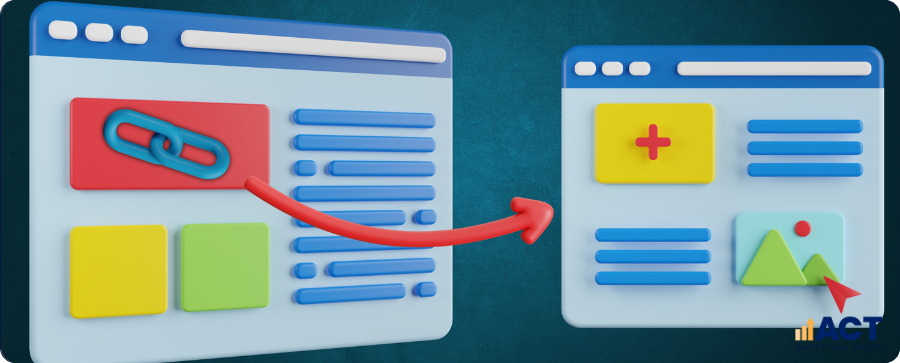
Internal links are crucial for distributing page authority throughout your site. They help search engines understand content relationships while providing users with natural pathways to examine related pages. A strong internal linking structure supports both search engine optimization and user experience.
Contextual links within your content help search engines understand semantic relationships between web pages. When you link to related articles or services using descriptive anchor text, you provide valuable context about the destination page. These clickable links should feel natural and provide genuine value to users.
Optimising URL Structure for Clarity
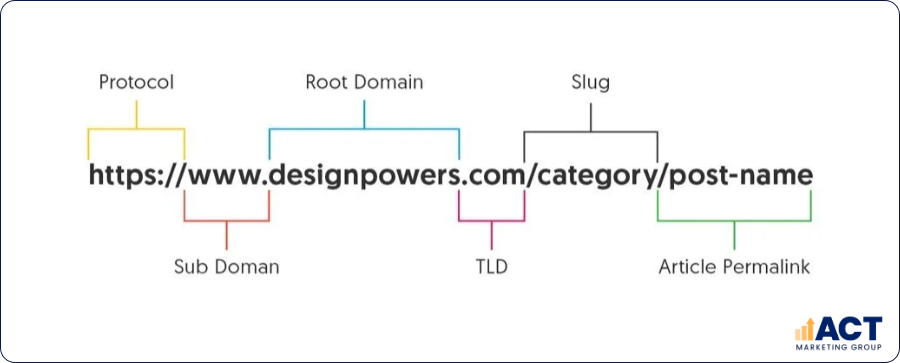
Your URL structure should mirror your site hierarchy, creating logical pathways that both users and search engines can follow. Clean, descriptive URLs improve user trust and search engine understanding of your website's pages.
Descriptive URLs should include relevant keywords while remaining readable. Instead of using generic parameters, incorporate meaningful words that describe the page content. This approach helps both search engines and users understand what they'll find on each page before clicking.
Advanced Structure Optimisation Techniques
Once you’ve covered the basics, refining your site structure can deliver even greater results. Determine how to take your SEO site structure to the next level with advanced methods.
Building Topic Clusters for Authority
Topic clusters represent a sophisticated approach to content organisation that demonstrates expertise to search engines. This strategy involves creating comprehensive pillar pages that broadly cover main topics, supported by detailed cluster pages that dive deeper into specific subtopics.
Pillar pages act as semantic anchors for your topic clusters, providing broad overviews while linking to more detailed content. These cornerstone content pieces should comprehensively cover your main topics while maintaining clear connections to supporting content. This approach helps establish topical authority in your industry.
Enhancing Crawlability Through Technical Elements
XML sitemaps serve as a safety net for search engine discovery, but they shouldn't replace proper site architecture. While sitemaps help search engines find pages that might be difficult to discover through navigation, they don't pass topical authority like contextual internal links do. An html sitemap can also help users navigate your site's content more effectively.
Breadcrumb navigation provides clear location indicators for users while creating additional internal links for search engines. These navigational aids help users understand their position within your website structure while providing search engines with additional context about page relationships.

Mobile-First Structure Considerations
With Google's mobile-first indexing, your site structure must work seamlessly across all devices. Mobile users expect intuitive navigation that works with touch interfaces, making your structural decisions even more important for user experience.
Responsive navigation ensures your site structure remains accessible on smaller screens. Consider how your website menu translates to mobile devices and whether users can easily navigate through your content hierarchy. Your main menu should provide clear pathways to important pages regardless of device type.
Measuring and Improving Structure Performance
Ongoing evaluation is essential for lasting SEO gains. Learn the key metrics and strategies to track and improve your site’s structure over time.
Have Questions?
We're Here to Help!
Key Metrics to Monitor
Crawl efficiency can be monitored through Google Search Console, showing how effectively search engines navigate your site structure. Look for crawl errors or pages that aren't being discovered through your internal linking structure. This data helps you identify areas where your website architecture might need improvement.
User engagement metrics like pages per session and average session duration indicate how well your structure supports user navigation. Improvements in these metrics often correlate with better search engine performance. When users can easily find relevant content, they're more likely to examine multiple pages during their visit.
Page depth analysis helps identify content that may be buried too deeply within your site structure. Pages requiring more than three clicks from your home page may need structural adjustments to improve their discoverability. This analysis is particularly important for ecommerce sites with extensive product catalogs.
Common Structure Mistakes to Avoid
Some missteps can seriously hinder your SEO and user experience. It's important to know structure mistakes to watch out for, and how to avoid them.
Orphaned pages without internal links can't be discovered by search engines through normal crawling. Every important page should be accessible through your site's internal linking structure, not just through sitemaps.
Broken links create poor user experiences and can waste search engine crawling resources. Regular audits of your internal links help ensure that users and search engines can navigate your site effectively.
Overly complex hierarchies can overwhelm users and exhaust search engine crawling budgets. Aim for simplicity in your structure while ensuring comprehensive coverage of your topics.
Deep architecture where important content is buried many clicks away from the home page can limit its visibility. Consider flattening your structure to bring valuable content closer to your main navigation.
Implementing Structure Changes Safely
Updating your site architecture can have major benefits if handled correctly. Learn how to make effective changes while protecting your site’s SEO.
Planning Your Structure Migration
Content auditing should precede any major structural changes. Document your current URL structure, internal linking patterns, and content relationships before implementing changes. This audit helps you understand how content flows through your current website architecture.
When planning website changes, consider how they'll affect your existing search engine rankings. Map out your current page hierarchy and identify which pages drive the most traffic. This information helps you prioritise which aspects of your site structure need the most attention.
Staged Implementation for Better Results
Implement structural changes gradually rather than all at once. Start with one section of your site and monitor the results before expanding the changes. This approach allows you to refine your strategy based on real performance data.
Monitor how search engines respond to your structural improvements. Watch for changes in crawling patterns, indexing rates, and any new errors that might arise from your modifications. This monitoring helps ensure your changes are having the intended positive impact.
Building Authority Through Strategic Content Organisation
Authority is built through consistency and planning. Learn how to structure and categorise content to support both users and your search engine optimisation goals.
Creating Content Hierarchies That Work
Organise content around main topics that align with your business goals and customer needs. Each main category should represent a significant aspect of your expertise, with supporting pages that dive deeper into specific subtopics. This hierarchical approach helps establish your authority in key areas.
Child pages should expand on concepts introduced in parent pages, creating natural progression paths for users. This relationship helps search engines understand your content hierarchy while providing users with logical next steps in their information journey.
Use Email Marketing Integration
Connect your website structure to your email marketing efforts by creating clear pathways from your content to subscription opportunities. Strategic placement of email signup forms throughout your site structure can help capture interested visitors and nurture them through your sales process.
Use your email marketing to drive traffic back to specific pages within your site structure. This approach helps reinforce the importance of key pages while providing subscribers with valuable content that keeps them engaged with your brand.

Maintaining Structure Over Time
Regular review of your site structure ensures it continues to serve your business goals effectively. As you add new pages and update existing content, consider how these changes fit within your overall information architecture. This ongoing attention helps maintain a coherent user experience.
Update outdated content and remove pages that no longer serve a purpose. This maintenance keeps your site structure clean and helps search engine crawlers focus on your most valuable content. Regular cleanup also ensures that users don't encounter frustrating dead ends or outdated information.
Monitor user behavior patterns to identify areas where your structure might need adjustment. If users consistently struggle to find certain types of content, consider reorganising your navigation or creating additional internal links to improve accessibility.
Conclusion
The investment in proper website structure pays dividends through improved crawlability, better user engagement, and stronger search engine performance. As search engines continue to emphasise user experience in their ranking algorithms, well-structured sites will maintain their competitive advantage in Australian search results.
Ready to improve your website structure for better SEO performance? We specialise in creating website architectures that satisfy both search engines and users, helping Australian businesses achieve their digital marketing goals through strategic structural improvements.