

How to Start Improving SEO for Your Australian Dental Clinic: A Practical Action Plan starts by tightening the basics of search engine optimisation, so your clinic appears more consistently in Australian search results across Google Search and other search engines. If your website SEO hasn’t moved in months, it’s usually because technical SEO, on page SEO, and off page SEO are being done out of sequence, or your tracking isn’t tied to real outcomes.
Set a Baseline That Defines SEO Success for Your Clinic
Now that you’re ready to improve performance, the first step is defining SEO success in outcomes that matter to the practice: calls, online booking clicks, direction requests, and enquiry forms. Keyword rankings matter, but they’re only useful when they connect to search traffic that becomes booked appointments.
Use Google Analytics 4 (GA4) to measure what users do after they land on your website and use Google Search Console (Search Console) to see which search terms and search queries are already triggering impressions in search engine results. This creates a baseline for organic search performance and helps you decide which pages to prioritise.
Get a Customized Marketing Strategy for Your Business
Schedule a free consultation to discuss how our digital marketing solutions can help you reach more customers.
Put Clear Wording Rules in Place Before You Update Website Content
Now that your baseline is set, the next step is making sure your website content stays clear and factual. Keep language factual and avoid claims that could create unrealistic expectations. If you use patient feedback, do not republish testimonials in clinic-controlled advertising assets such as your website or promotional social pages.
Many SEO tips online push hype, but dental marketing works better when it matches patient search behavior and sets accurate expectations. As you update page SEO, keep each web page focused on one topic and one intent. This reduces duplicate content across multiple pages and makes it easier for search engines to understand which page should show up for which search terms.

Fix Technical SEO Issues That Stop Search Engines Finding Your Pages
Now that the content approach is stable, the next step is technical SEO so search engines can crawl, index, and load your pages properly. The fastest technical wins for many clinics come from cleaning up indexing issues in Google Search Console, improving page speed, and tightening site structure so users navigate easily. Page speed matters because slow loading increases drop offs. Practical improvements include compressing images, reducing heavy plugins, and fixing SEO mistakes that lower rankings. Practical improvements include compressing images, reducing heavy plugins, and enabling mobile-friendly, fast-loading pages so repeat visits load faster.
Strengthen Your Google Business Profile for Local Search Results and Google Maps
Now that your website foundations are cleaner, the next step is local SEO through your Google Business Profile optimisation. For many dental clinics, local search results and Google Maps visibility drive more calls than standard organic listings because the user intent is immediate. Keep your clinic details consistent across other websites and external websites, because mismatched listings weaken trust signals.
Also ensure your categories and services are accurate so Google can match your listing to target keywords people use in Google Search. On profiles you control, avoid copying and pasting patient comments into posts or graphics. Focus on service information, accessibility, and clear next steps.
Map Target Keywords to the Right Pages Using Keyword Research
Now that local signals are strong, the next step is keyword research and page mapping. This is where you decide which target keywords belong on service pages, which belong on location pages, and which should become blog post topics. Use keyword research tools to find relevant keywords, including low competition keywords that still match your target audience and close SEO content gaps. Then keep each topic assigned to one primary page and use internal linking to connect supporting pages to relevant pages without creating confusion for search engines.
Improve On Page SEO So Each Page Matches Search Queries Clearly
Now that you have a page plan, the next step is on page SEO. This means improving clarity so both users and search engines quickly understand what each page is about and why it’s relevant to a specific search query. Start with page titles and title tags, then refine your meta title and meta descriptions so they align with how people search. A good meta description is not a sales pitch; it’s a clear summary of the page and the next step. These changes can improve click through rates from search engine results and support better SEO rankings.
Within the page, use target keywords naturally in headings and early paragraphs, then support meaning with relevant keywords. This approach helps search engines understand the topic without awkward repetition and supports more stable search engine rankings. This is also where answer engine optimisation fits in a practical way. Make the first few lines directly answer the search query, then expand with clear detail.

Build a Content System That Earns Organic Traffic Over Time
Now that your service pages are clearer, the next step is building website content that attracts organic traffic from informational search queries. Many dental clinics rely on a handful of service pages, but organic growth often comes from publishing consistently on common problems and decisions. Keep it simple: write content that answers the most common patient questions, then link to relevant pages for next steps. To avoid spreading the same subject across multiple pages, consider pillar pages that summarise major topics and support internal linking to deeper articles.
Have Questions?
We're Here to Help!
Build Authority with Quality Backlinks from Credible Sites
Now that content is consistent, the next step is off page SEO. Quality backlinks from credible sites can influence rankings because they act like references from other websites, helping search engines trust your pages. Avoid purchased links. Focus on links that make sense in real life, such as local partnerships, community organisations, and specialist dental marketing support from credible sites that list your practice details.
Use Search Console and Google Analytics to Improve What Already Works
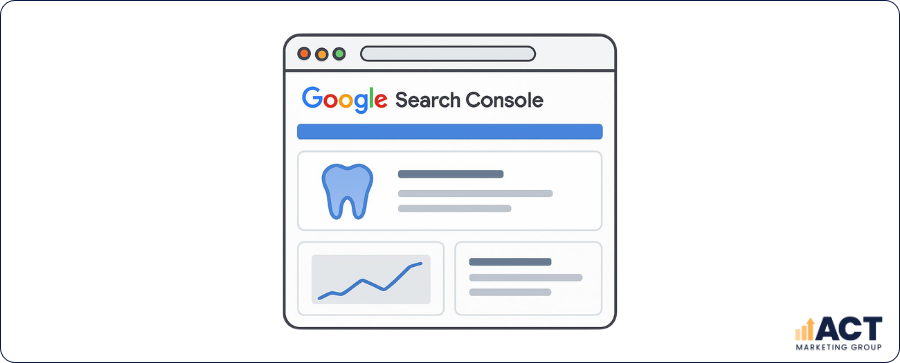
Now that changes are live, the next step is measurement and iteration. Google Search Console shows which search queries trigger impressions, which pages are rising, and where click through rate is weak despite good visibility. Google Analytics shows what happens after the click: whether users navigate to the right pages, whether they complete booking actions, and where friction occurs. Together, these tools guide ongoing SEO efforts so you can improve SEO rankings through steady refinement, not guesswork.
Improve SEO For Your Australian Dental Clinic with a Practical Next Step
Now that you have the full plan, the next step is choosing a small set of improvements you can complete in the next 30 days. For many clinics, the best start is fixing indexing and tracking in Search Console and Google Analytics, improve page speed, refresh Google Business Profile details, and upgrade the on-page SEO of the top service pages. If ACT Marketing is supporting delivery, we usually turn this into a clinic specific plan: competitor analysis, keyword research, a target keywords to page map, and a clear schedule to create content that improves organic search results without creating duplicate content.
Local SEO improvements like Google Business Profile updates can show changes sooner, while broader search engine rankings for competitive services usually move more gradually. The pace depends on your starting technical SEO health, your content quality, and how well your pages match search behavior.
Only when each page has a real purpose and avoids duplicate content. If you create many near identical pages on the same subject, ranking web pages becomes harder because search engines may not know which page to prioritise in search results.