

Local SEO for Australian Dental Clinics: Get Found by Patients in Your Suburb helps your dental practice appear when nearby patients use Google Search, Google Maps or other search engines to find care close to home. For a dental practice in Australia, the goal is not just to gain more search traffic; it is to help suitable local customers find accurate business details, understand your local services and decide whether your clinic is the right physical location to contact.
Local Visibility Starts with How Patients Search
Local SEO starts with understanding how patients search before they choose a clinic. People rarely search in one neat way; they may use a suburb, treatment concern, opening time, “near me” phrase or map-based query depending on their situation. For dental practices, this means local search engine optimisation should connect your services with the practical questions patients already have. A parent looking for a children’s dentist, a worker searching for a lunch-break appointment and a patient with tooth pain may all be in the same local area, but their search intent is different.
Typical local searches include phrases such as “dentist near me”, “emergency dentist in [suburb]”, “dental clinic open Saturday”, “family dentist [suburb]” and “check-up and clean near me”. These local queries tell search engines that the person wants a nearby option, not a general article about oral health.
Get a Customized Marketing Strategy for Your Business
Schedule a free consultation to discuss how our digital marketing solutions can help you reach more customers.
Google Business Profile is the Foundation of Local SEO
After you understand patient search behaviour, your Google Business Profile becomes one of the most important parts of your local SEO strategy. It helps Google understand your business name, address and phone number, business hours, service area, business location and the local services your practice offers. A complete and accurate business profile can help Google better understand your clinic and may support how it appears in Google Maps, the local pack and local search results.
Your profile should clearly show your business name, address and phone number, website link, appointment link, business hours, categories and relevant services. It should also include practical details such as parking, accessibility, public transport context and updated holiday hours where appropriate.
Local Rankings Depend on Relevance, Distance and Trust Signals
Once your Google Business Profile is in place, local rankings are influenced by relevance, distance and prominence: how well your practice matches the patient’s search, how close your clinic is to the searcher or suburb, and how well-known or established the business appears to be online. These ranking factors are not controlled by one single action, which is why local SEO works best as an ongoing system.
For dental clinics, local search visibility is supported by consistent business details, useful web pages, accurate service information, local citations and a well-maintained online reputation. If your business appears with different opening hours, an old phone number or inconsistent location information across local directories, search engines and patients may have less confidence in the result. Local SEO matters because patients often compare nearby businesses quickly. If your clinic appears clearly in local results, explains its services and provides a simple way to enquire, it can help patients make more informed contact decisions.
Service Pages Need Local Context, Not Repeated Suburb Text
With your business profile supporting map visibility, your website needs to support the same local intent in more detail. Service pages should explain what your clinic offers, who the service may suit, how appointments are usually handled and how patients can take the next step.
The common mistake is creating web pages that repeat the same wording with a different suburb inserted into each version. Search engines are more useful to patients when a page gives specific context, such as where the clinic is located, which nearby suburbs it serves and what practical information a patient needs before booking.
Suburb Pages Should Help Nearby Customers Decide
After your core service pages are clear, suburb pages can help nearby customers understand whether your clinic is convenient for them. These pages work best when they reflect real local knowledge rather than a broad attempt to rank in every suburb. A dental practice in Canberra might create useful suburb pages for areas where it genuinely sees patients, such as Belconnen, Gungahlin, Woden, Tuggeranong or nearby communities. Each page should explain access, travel context, relevant local services and booking options in a way that helps patients make a practical decision.
A strong suburb page should answer one simple question: Is this clinic convenient for me, and does it provide the type of appointment I need?" It may mention parking, nearby roads, public transport, appointment availability and links to relevant services, but it should avoid empty location wording that adds no real value.
Local Citations Strengthen Your Business’s Online Presence
Once your website and Google Business Profile are aligned, local citations help reinforce your business’s online presence across the wider web. A local citation is a listing of your business name, address and phone number on places such as business directories, local directories, health platforms, community listings and relevant local news sites.
The practical value of local citations is consistency. When your name, address and phone number match across relevant directories and listings, search engines receive clearer signals about your physical location and business details. This does not mean your clinic needs to appear on every directory available. A focused approach is usually more useful, especially across relevant local directories, health-related listings, professional profiles, selected community organisations and established business directories such as Yellow Pages.
Reviews Support Online Reputation, But They Need Care
Reviews can influence how local patients assess a dental clinic, but dental practices need to manage them carefully. There is a difference between reviews that appear naturally on third-party platforms and testimonials that a practice republishes or promotes in its own advertising. For Australian dental clinics, practice-controlled advertising should not use testimonials to promote regulated health services. That means you should avoid copying patient praise onto your website, placing review screenshots on landing pages or turning individual comments into social media advertising.
You can still monitor reviews, respond professionally and use feedback to improve the patient experience, provided review content is not republished or promoted as advertising. Responses should be neutral, privacy-aware and should not confirm treatment details or discuss a patient’s care in public.

Keyword Research Should Reflect Your Local Market
Once the main local assets are in place, keyword research helps you decide which services, suburbs and patient needs deserve priority. This is where local SEO differs from traditional SEO, because the aim is not only to rank for broad dental terms but to appear for relevant local searches that match your clinic’s service area. A practical keyword research process looks at how people search, which suburbs matter, what services are commercially important and where your current pages already receive impressions. Google Search Console is a useful tool for seeing which search queries show your website in Google Search, which pages receive clicks, and where impressions may not yet be turning into visits.
For a dental clinic, useful keyword themes may include general dentistry, emergency appointments, family dentistry, children’s dentistry, cosmetic consultations, dental implants, clear aligners, wisdom teeth assessments and preventive care. Each theme should be handled with careful wording that explains suitability and next steps without overpromising outcomes.
Local Links Can Build Relevance in a Natural Way
As your local SEO campaigns develop, local links can help search engines understand your place in the community. These links may come from community organisations, sponsorship pages, local partnerships, professional associations, local news sites or event pages where your practice is genuinely involved. Local links should not be treated as a shortcut or a volume exercise. They work best when they reflect real relationships in the local area and point to useful pages on your website.
Google Maps and The Local Pack Shape Patient Decisions
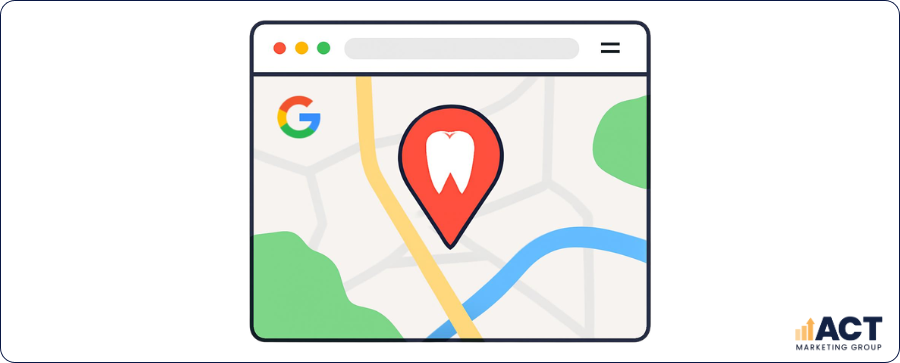
When people search for nearby dental care, the local map pack often appears above or near the main organic results. This makes Google Maps and the local pack important parts of your local search engine strategy, especially for patients who want fast location-based options. Your business shows in map-based results when search engines connect your profile, location, services, reviews, website and other local signals with the person’s query. A clear profile with accurate business hours, a correct phone number and a direct appointment link can reduce friction at the decision point.
The local pack is particularly important for urgent or convenience-based searches. If someone searches from a mobile phone for a nearby dental clinic, they may call directly, request directions or compare business profiles without visiting several websites first.
Measurement Shows Whether Local SEO Is Working
After your local SEO strategy is live, measurement helps you understand whether your visibility is turning into useful patient actions. Local rankings matter, but they are only one part of the picture. Useful measures include Google Business Profile calls, website clicks, direction requests, local search rankings, organic search traffic, form enquiries and the performance of key suburb or service pages. Google Search Console can show which local queries are producing impressions and clicks, while your booking data can show whether those enquiries are suitable.
The best reporting combines search data with practice context. A page may receive high traffic but few relevant enquiries, while a smaller page may support bookings for a priority service or suburb.
Local SEO Tools Should Support Clear Decisions
Local SEO tools can help with tracking, auditing and planning, but they should not replace practical judgement. A tool may identify ranking changes, citation gaps or keyword opportunities, yet the clinic still needs to assess whether those opportunities match its services, capacity and compliance obligations. Common uses for local SEO tools include checking local rankings, reviewing local citations, monitoring available Google Business Profile activity, identifying search terms and finding technical issues on web pages. Google Search Console is especially useful because it shows real search activity from Google rather than estimated search behaviour.
For a dental practice, tools should help answer business questions and keep pace with the latest SEO trends for business owners. Which suburbs are producing enquiries? Which service pages need clearer content? Are potential customers finding the correct address and phone number? Are direction requests increasing after profile updates?
A Strong Local SEO Strategy Connects Every Touchpoint
An effective local SEO strategy connects your business profile, website, citations, reviews, service pages, suburb pages, internal linking strategy and reporting. When these pieces work together, your clinic gives search engines and patients a clearer picture of who you serve and where you are located. A strong local SEO strategy should also reflect how small and medium businesses operate in the real world. For a dental clinic, that means considering available appointment capacity, practitioner focus areas, local competition, suburb demand and the types of appointments and service needs the practice can appropriately support.
This is where local search engine optimisation becomes more than a technical task. It becomes a practical way to align online visibility with the clinic’s physical location, service mix and patient communication, and to understand whether SEO is worth it for small businesses like individual dental clinics.
Have Questions?
We're Here to Help!
Common Local SEO Mistakes Dental Clinics Should Avoid
By this stage, the main pieces are clear, but several common mistakes can weaken local search visibility. The first is treating local SEO as a one-time setup rather than a continuing process that needs updates, checks and measured improvements. The second is copying strategies from non-health local businesses without considering dental advertising obligations. A local business owner in retail may use stronger promotional claims than a dental practice should, especially when the content relates to treatment outcomes, prices, reviews, inducements or patient expectations.
Common issues include outdated business hours, inconsistent address and phone number information, near-duplicate suburb pages, unsupported “best dentist” wording, unclear offers and service pages that do not explain suitability. These SEO mistakes that lower rankings can affect both local search rankings and patient trust.
Multiple Locations Need Clear Local Structure
For dental groups with multiple locations, local SEO needs a clear structure so each clinic can be understood separately. Each eligible physical location should have its own accurate Google Business Profile, location page, business details, phone number where relevant and local content. A multi-location practice should avoid sending every local search to one generic contact page. Patients searching in one suburb need to understand which clinic is closest, what services are available there and how to contact that specific location.
This also helps search engines match the right clinic to the right local searches. A clear location structure reduces confusion and makes it easier to measure which suburbs and clinics are driving enquiries.
Local SEO and Traditional SEO Should Work Together
Local SEO and traditional SEO are connected, but they are not identical. Traditional SEO often focuses on broader organic results, including choices such as a locally relevant, brandable domain name, while local SEO focuses on local search results, map visibility and nearby customers who are ready to act. For dental clinics, both matter. A helpful article about dental check-ups can support organic search, while a suburb-focused service page can support local search visibility for patients nearby, and complementary channels such as YouTube SEO for Australian creators can extend your visibility beyond traditional search results.
The strongest approach is to connect informational content with local service pages. For example, an article about when to book a dental check-up can link naturally to a local preventive dentistry page, helping patients move from research to action without pressure.

Build a Local SEO System for Your Dental Clinic
Local SEO for a dental clinic works best when it reflects how patients search, how search engines assess local relevance and how Australian health advertising rules shape what a clinic can safely say. The strongest strategies connect Google Business Profile optimisation, suburb content, service pages, local citations, review governance, local links, well-optimised meta titles and descriptions and practical reporting. For dental practice owners and clinic managers, the next step is to audit your current visibility suburb by suburb. Check whether your business profile, web pages, local directories, business hours, phone number, service area and booking pathways all present the same accurate story.
ACT Marketing helps Australian dental clinics build a measured local SEO strategy that supports local visibility without inflated claims or risky advertising language. A well-structured local search system will not replace good patient care, but it can help people in your local area find your clinic when they are looking for relevant dental services.