

Mobile Optimisation and Local SEO for Australian Dentists: Competing in "Near Me" Searches is about making it easy for mobile users to find, trust, and contact your practice when they search with local intent. If your mobile site is slow, unclear, or hard to use on mobile devices, potential customers often return to Google search and choose another clinic from the local search results.
This matters because mobile searches for dental services are usually time-sensitive and location-driven. Search engines use signals from your website, your Google Business Profile, and consistent listings in reputable directories to determine relevance, distance, and prominence in local search results (including the local pack and maps), alongside your broader organic results, and similar principles apply when creators focus on YouTube SEO for Australian channels.
How "Near Me" Behaviour Shapes Dental Local Searches
“Near me” searches are rarely just one phrase; they show up as local queries like “emergency dentist near me”, “dentist open now”, or “teeth cleaning in [suburb]”. Because people search on mobile while commuting or between tasks, they scan search results quickly and choose a clinic that looks close, credible, and easy to contact.
Now that the behaviour is fast and decision-focused, the goal is to reduce friction. A mobile optimized website that loads quickly, shows business hours clearly, and makes calling or booking simple will usually outperform a slower site with the same services.
Get a Customized Marketing Strategy for Your Business
Schedule a free consultation to discuss how our digital marketing solutions can help you reach more customers.
What Search Engines Look for in Local Search Visibility
Local search visibility typically comes from three practical areas: clear service fit, clear location fit, and trust signals. Your physical location, the way your services are described, and the consistency of your business name and contact details across multiple platforms all help search engines match you to relevant local searches.
Now that the ranking model is clear, your job is to strengthen the key elements you can control. You cannot change distance, but you can improve relevance through website content and improve confidence through a clean business’s online presence across local directories and business directories while avoiding common SEO mistakes that lower rankings.
Why Mobile Optimisation Is an Important Ranking Factor for Dentists
Mobile optimisation is not just about appearance; it affects load times and whether users can complete actions such as calling, finding directions, or booking. If pages do not load quickly on mobile devices, more mobile users leave before taking action. That reduces enquiries and can limit performance in local SEO because fewer visitors reach key pages or complete bookings.
Now that mobile is the default for many patients, treat your mobile site as the primary experience, not a reduced version. A mobile friendly approach with responsive design, readable text, and simple navigation creates a user-friendly experience that supports both local SEO and general SEO, especially when you follow mobile optimisation best practices for small businesses.

The Mobile Experience Basics That Reduce Drop-Off
A strong mobile optimized website does a few things consistently: it makes your location and services obvious, it removes unnecessary steps, and it keeps pages light enough to load quickly. This is especially important for urgent local services such as pain-related appointments, where customers search and call within minutes.
Now that the focus is on action, use a practical checklist to guide updates:
Google Business Profile as the Core "Near Me" Asset
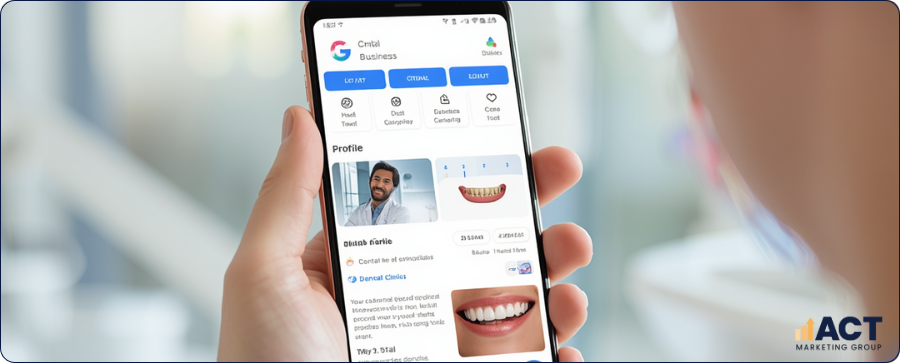
Your Google Business Profile often appears before your website in local search results, especially in Google maps and the map pack. A complete Google Business Profile helps Google understand your services and location details, which can improve local search visibility for relevant local searches, even when other local businesses operate nearby.
Now that the profile is central to local SEO work, treat it as a living asset. Keep business hours current, choose accurate categories, list services clearly, and use photos that reflect the practice and the patient experience without relying on patient praise or review screenshots, following a structured approach to utilising and optimising Google Business Profile.
Aligning Your Website with Your Google Business Profile
Your website should confirm what your Google Business Profile suggests: who you are, what you offer, and where you are. When your web pages and profile align, local searches are more likely to result in calls, bookings, and direction requests.
Now that alignment is the goal, focus on the pages that carry local intent. For most practices, this means a clear location page, a contact page, and service pages for high-demand treatments, each written for your target audience in plain language and grounded in SEO best practices for beginners.
Location Page Essentials That Support Local Visibility
A location page should make it easy to confirm your physical location and visit. Include your address, parking guidance, public transport notes, accessibility information, and a simple summary of local area coverage, especially if you serve one city or several nearby suburbs.
Now that the intent is to remove doubt, ensure the page uses consistent business name and contact details. If you have more than one practice, create a dedicated page for each location rather than mixing details across one page.
Service Pages That Match Local Intent Without Overreach
Service pages are where content optimization matters most because local queries are usually service-led. Keep language balanced, avoid “guaranteed” outcomes, and focus on what the service involves, who it may suit, and how to take the next step, using a patient-centred content marketing strategy for Australian businesses.
Now that trust is part of ranking factors and conversion, make your wording accurate and measured. If suitability varies, say so, and guide users toward a consultation rather than implying a fixed result.
Online Reputation Signals Without Using Testimonials in Your Marketing
For healthcare, you need a careful approach to online reputation. Patients may leave reviews on platforms you do not control, but you should avoid republishing testimonials in your own advertising assets, including your website and ads.
Now that the constraint is clear, build trust using information you can control: clear practitioner bios, transparent pricing explanations where appropriate, and practical “what to expect” sections. You can invite patients to leave reviews on third-party platforms in a neutral, non-selective way, but avoid incentives or anything that could be seen as an inducement.
Have Questions?
We're Here to Help!
Practical Local SEO Tools and Tracking for Dental Practices
You do not need a complex stack to measure whether local SEO is working. The most useful approach is to track how mobile users interact with your site and profile, and whether search results lead to calls, booking completions, and direction requests while staying aligned with the latest SEO trends for business owners.
Now that measurement drives improvement, use a small set of local SEO tools and reporting checks:
A free tool like PageSpeed Insights to monitor mobile speed and load times
Search Console for local queries and visibility trends in organic results, supported by keyword research tools for Australian businesses to refine service and suburb targeting
Analytics event tracking for click-to-call, form submits, and booking completions, and where needed, support from ACT Marketing Group’s digital marketing services to interpret and act on the data
A listings management tool can help if you manage many local directories across multiple locations and need consistent updates to business hours, phone numbers, or addresses.

Mobile Optimisation and Local SEO Next Steps for Your Dental Practice
If you want a competitive advantage in “near me” searches, start by testing your own patient journey on mobile devices from start to finish. Check how quickly pages load, whether the call button is easy to find, whether business hours are visible, and whether the booking path works smoothly.
ACT Marketing supports Australian dental practices by improving mobile optimisation and local SEO in a measured way, focusing on local search visibility, accurate website content, and a consistent online presence across directories. The immediate next step is to identify the top local intent pages (location, contact, emergency, and key services) and make them mobile optimized, then align your Google Business Profile to match.