

Privacy-first digital marketing for Australian veterinary clinics helps practices attract new clients while protecting personal information and respecting customer privacy. For veterinary clinic owners and practice managers, balancing privacy and marketing means using responsible data collection, clear communication and appropriate data security measures without limiting opportunities to grow your audience.
As pet owners become increasingly aware of data privacy, your clinic's approach to handling customer data can influence consumer trust. A practical marketing strategy should therefore combine effective digital marketing with transparent data practices, helping your practice maintain meaningful client relationships while meeting applicable privacy laws.
Why Data Privacy Matters in Veterinary Marketing
Data privacy is an important part of veterinary digital marketing because everyday interactions involve collecting data from clients. Online bookings, website enquiries and email subscriptions may contain personal information that needs appropriate protection.
Responsible privacy practices can support customer trust while reducing unnecessary exposure to data security risks. When your clinic explains how information is collected and used, it signals respect for clients and gives them greater confidence when engaging with your services.
Get a Customized Marketing Strategy for Your Business
Schedule a free consultation to discuss how our digital marketing solutions can help you reach more customers.
Balancing Marketing Growth and Consumer Privacy
Marketing and sales teams often use customer data to understand audiences and improve communication. However, collecting more information does not necessarily lead to better marketing results.
For example, a clinic promoting preventive pet care services may only need basic contact details and voluntarily supplied preferences. Limiting data collection to relevant information can support both marketing activities and consumer privacy.
Understanding Australian Privacy Laws and Data Compliance
Before expanding your marketing operations, your clinic should understand its applicable compliance obligations. Australia's Privacy Act 1988 and Australian Privacy Principles establish requirements for covered organisations, while the Spam Act 2003 regulates commercial electronic communications.
The Privacy Act generally covers businesses with annual turnover exceeding $3 million, although some smaller organisations are also covered. Your practice should assess its circumstances and any applicable state or territory requirements rather than assume all veterinary businesses have identical legal obligations.
Meeting Privacy Compliance Requirements
Maintaining data privacy involves practical measures that support responsible information handling.
Your clinic should:
Collect personal data only for clear, legitimate purposes.
Explain data collection through accessible privacy notices.
Obtain appropriate consent for marketing communications.
Protect customer data through suitable security measures.
Review information-sharing arrangements with external providers.
Regularly update privacy practices as systems change.
These steps can support data privacy compliance and help your clinic remain compliant with relevant requirements.

Understanding Overseas Privacy Regulations
International data privacy laws may also be relevant if your practice operates across jurisdictions or handles information in circumstances covered by overseas legislation.
The General Data Protection Regulation (GDPR) protects personal data within its applicable European scope, while the California Consumer Privacy Act (CCPA), amended by the California Privacy Rights Act (CPRA), establishes certain consumer privacy rights in California. The California Privacy Protection Agency oversees aspects of California privacy regulation, while the European ePrivacy Directive addresses matters including electronic communications and tracking technologies.
These regulations do not automatically apply to an Australian veterinary clinic. Their relevance depends on your operations, the individuals involved and the specific legal requirements.
Creating a Veterinary Website That Respects Customer Privacy
Once your privacy compliance requirements are understood, your website becomes the next priority. A well-designed veterinary website should make booking appointments straightforward while ensuring visitors understand how their personal information will be handled.
Transparent data collection begins with simple forms, clear privacy notices and appropriate consent choices. These features can improve the booking experience while limiting unnecessary collection of consumer data.
Improving Booking Forms and Privacy Notices
Review your enquiry forms and remove fields that are not needed for the requested service. For an initial appointment, essential information may include the client's name, contact details, pet species and preferred booking time.
Your privacy policy should have a link prominently displayed on your website. Explain what information is collected, why it is needed, which service providers may receive it and how clients can contact your practice about privacy concerns.
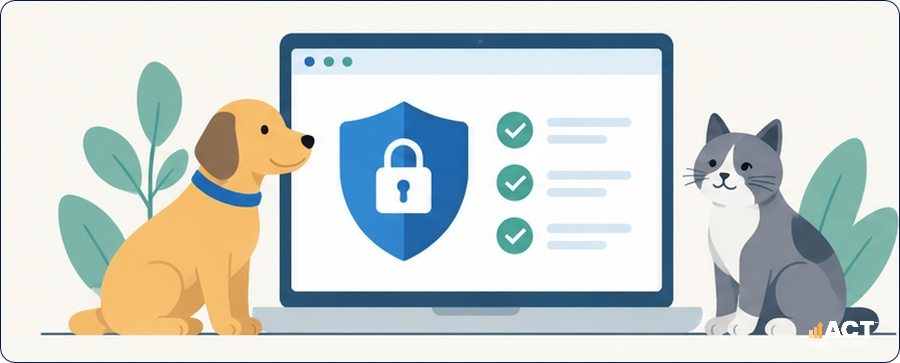
Using Clear Marketing Consent
Marketing consent should be distinguishable from consent to receive essential appointment information. Clients should understand whether they are subscribing to newsletters, promotional messages or other marketing activities.
Australia's Spam Act requires appropriate consent, sender identification and functional unsubscribe facilities for commercial electronic messages. An opt-out model is not automatically sufficient for every marketing activity, making properly documented consent particularly important.
Using First-Party Data for More Relevant Marketing
With appropriate website processes in place, first party data can support your clinic's marketing strategy. This refers to information collected directly through client interactions, including appointment enquiries, subscriptions and voluntarily supplied communication preferences.
Using first party data gives your marketing team greater visibility into where information originated. However, direct data collection does not remove the need to respect privacy laws, explain intended uses or meet relevant consent requirements.
Building a Permission-Based Contact Database
A structured contact database helps your team provide useful information without sending unnecessary messages. Separate appointment reminders and essential service updates from promotional communications wherever practical.
For example, clients may agree to receive general pet health newsletters but prefer not to receive promotional SMS messages. Recording these preferences supports responsible marketing data privacy and more relevant communication.

Growing Your Audience Through Privacy-Conscious SEO
Once your data practices are established, search engine optimisation provides a practical way to attract potential clients without relying heavily on targeted advertising. Veterinary SEO connects your clinic with pet owners actively searching for local services and reliable animal healthcare information.
Unlike marketing methods that depend on extensive consumer tracking, organic search focuses on relevant content and search enquiries. This can support steady audience development while reducing reliance on third party cookies and detailed personal profiles.
Strengthening Local Search Visibility
Local SEO helps people find your clinic when searching for veterinary services nearby. Accurate business information, relevant service pages and accessible contact details make it easier for potential clients to evaluate your practice.
Prioritise these improvements:
Maintain accurate Google Business Profile information.
Create clear pages describing available veterinary services.
Keep opening hours and contact details updated.
Improve mobile navigation and booking accessibility.
Publish useful information about locally relevant pet health concerns.
For example, a Canberra veterinary clinic could publish seasonal advice about grass seed injuries. This addresses an identifiable client concern without requiring personal data from every reader.
Publishing Useful Veterinary Content
Educational content can support organic visibility and consumer trust when it answers practical questions accurately. Articles about parasite prevention, senior pet care and routine veterinary procedures may help readers understand when professional care is appropriate.
Have clinical information reviewed by a qualified veterinary professional before publication. Avoid exaggerated claims or unnecessary urgency, and focus on clear explanations that help pet owners make informed decisions.
Managing Tracking Pixels and Digital Advertising
Although SEO reduces dependence on some tracking methods, paid advertising and analytics remain common within the marketing industry. Digital marketers may use tracking pixels, third party cookies and advertising platforms to measure website activity and improve campaign performance.
These technologies can create data privacy risks when personal information is shared with external platforms without appropriate controls. Your clinic should understand what each tool collects before incorporating it into everyday marketing operations.
Looking to put these privacy-first principles into practice? Explore our Digital Marketing Checklist for Veterinary Clinics for practical steps to improve your clinic's online visibility, attract local pet owners and strengthen your digital marketing strategy.
Have Questions?
We're Here to Help!
Reviewing Data Collection and Tracking Tools
Conduct a review of your website analytics, advertising pixels, booking integrations and marketing software.
Choosing More Appropriate Advertising Methods
Contextual advertising allows your clinic to reach audiences through relevant search enquiries rather than extensive behavioural profiling. For example, local search advertising for veterinary dental services can reach people actively researching available care.
This approach does not eliminate privacy compliance obligations, but it can reduce dependence on detailed consumer profiles. Your marketing team should still review platform settings and information-sharing arrangements.
Protecting Customer Data Across Veterinary Marketing Systems
As your clinic adopts additional digital tools, maintaining data privacy requires attention to how information moves between systems. Appointment software, email platforms and external marketing providers may all process customer data.
Appropriate data protection therefore involves more than securing your website. Your practice should establish responsibilities for handling information and reviewing the providers that support your marketing activities.
Strengthening Everyday Data Security
Practical safeguards can include:
Multifactor authentication for important accounts.
Restricted access based on staff responsibilities.
Secure storage and appropriate backup procedures.
Regular reviews of external provider permissions.
Clear procedures for suspected data breaches.
Your practice manager should coordinate with technology providers and, where needed, a legal team or qualified adviser to understand relevant compliance obligations.
Data breaches can create operational disruption, damage customer trust and, where applicable laws are breached, result in regulatory action or financial penalties. Appropriate safeguards reduce avoidable risks without unnecessarily complicating daily clinic operations.

Building Long-Term Trust Through Privacy-First Digital Marketing
Privacy-first digital marketing gives Australian veterinary clinics a practical framework for growing their customer base while respecting personal information. Combining transparent data collection, appropriate consent, useful SEO content and reliable data security measures can support both effective marketing and consumer trust.
Discover the latest search trends, local SEO strategies and AI search developments in our guide to 2026 SEO Trends Australian Vet Clinics Must Know to Stay Visible in Local Search.
Begin by reviewing how your clinic collects, stores and uses information, then identify improvements that reduce unnecessary data handling. These actions provide a foundation for sustainable audience growth and responsible marketing.
Strengthen Your Veterinary Clinic's Privacy-First Digital Marketing
At ACT Marketing, we support Australian businesses with SEO and digital marketing strategies focused on relevant search visibility, practical implementation and measurable performance. For veterinary clinics, this includes developing marketing approaches that consider client privacy alongside appointment growth. Contact ACT Marketing to discuss a privacy-conscious veterinary marketing strategy aligned with your clinic's services, operational needs and audience development goals.