
Marketing trends in Google Ads for dentists in 2026 reflect a growing focus on lead quality, data analysis and measurable business outcomes. Australian dental practices can refine their digital marketing strategies to attract enquiries aligned with their services and appointment capacity. For practice owners, more enquiries do not necessarily mean more bookings. Understanding search intent and booking outcomes can support better advertising decisions.
Dental Marketing Strategies Are Shifting Towards Lead Quality
As digital marketing continues to evolve, dental clinics are placing greater importance on the quality of enquiries rather than their overall volume. A campaign attracting numerous clicks may deliver limited business value if those users are not seeking relevant treatments or available appointments.
This shift encourages marketing teams to assess performance using measurable business outcomes, including qualified enquiries, confirmed bookings and attended appointments. These insights help practices determine whether their advertising strategy supports sustainable growth.
Get a Customized Marketing Strategy for Your Business
Schedule a free consultation to discuss how our digital marketing solutions can help you reach more customers.
Search Targeting Is Becoming More Relevant to Patient Needs
Improving lead quality begins with understanding how prospective patients search for dental services. Google Ads allows clinics to refine keyword targeting, geographic coverage and campaign settings to reach audiences whose needs are more closely aligned with available treatments.
For example, a dental practice offering emergency appointments may benefit from separating urgent treatment searches from general enquiries. Reviewing available search term data helps identify irrelevant traffic, although Google Ads does not display every search query. Key targeting controls include:
Negative keywords: Exclude searches unrelated to the practice's services.
Location targeting: Focus advertising on realistic patient catchment areas.
Service-specific campaigns: Separate different appointment types where appropriate.
Search term analysis: Identify patterns associated with relevant enquiries.
Ad scheduling: Align campaigns with reception availability and booking capacity.

First Party Data Is Supporting More Accurate Conversion Tracking
Alongside improved search targeting, first-party data can help dental practices assess their marketing strategies. Clinics should use appropriately collected enquiry information and aggregated booking results while protecting patient privacy and following relevant Google Ads policies.
As digital marketing platforms update their privacy controls, practices should avoid unnecessary reliance on third-party cookies. Responsible data collection, appropriate consent and secure handling remain essential when connecting marketing tools with practice management systems.
Tracking Appointments Beyond Initial Enquiries
Internal reporting can distinguish between enquiries, confirmed appointments and attended visits. This helps marketing teams assess booking outcomes without automatically sharing patient information with advertising platforms.
A campaign generating fewer enquiries may still provide greater value when more become appointments. Clinics must not send sensitive health-related conversion information through Google Ads measurement features where platform policies prohibit it.
Lead Qualification Tools Are Improving the Booking Experience
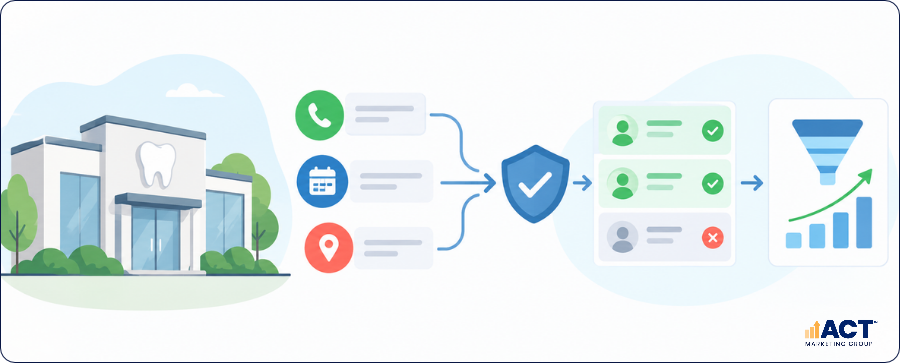
Once relevant audiences reach a dental advertisement, the next priority is making the enquiry process straightforward. Lead forms and appointment requests can collect basic information that helps reception teams respond appropriately. Useful qualification details may include:
Preferred clinic location.
General appointment category.
Preferred booking timeframe.
Suitable contact method.
These controls may improve the patient experience and customer satisfaction by helping reception teams manage enquiries efficiently. Clinical suitability and treatment decisions must remain with appropriately qualified practitioners rather than automated marketing tools.
Looking for practical tools to support your dental practice's marketing efforts? Explore our Online Marketing Tools for Dental Clinics guide to discover options for managing campaigns, improving online visibility and tracking marketing performance.
Artificial Intelligence and Automation Are Changing Campaign Management
Beyond enquiry forms, artificial intelligence is influencing how Google Ads campaigns are managed in 2026. Google's AI-powered tools can support automated bidding and advertisement delivery using campaign performance data. Their effectiveness depends on appropriate settings, reliable measurement and suitable conversion goals. However, automation depends on the quality of the information provided. If campaigns treat every enquiry as equally valuable, automated optimisation may prioritise lead volume rather than confirmed appointments.
Dental practices should therefore maintain clear conversion goals, review automated recommendations and monitor advertising outcomes regularly. Technology can support decision-making, but professional oversight remains important.
Looking beyond Google Ads? Explore our Outsourced Marketing Agency for Dental Clinics Guide to understand how SEO, paid advertising, content marketing and performance reporting can work together to support your practice's marketing goals.

Content Marketing and Video Are Supporting Patient Understanding
While search advertising remains central to attracting active enquiries, content marketing can provide additional information for prospective patients. Clear service descriptions, practical explanations and appropriate video content can help users understand available dental services before contacting a clinic.
Short form video on marketing channels such as YouTubeShorts and Instagram Reels may also support brand building and patient education. However, the same content should not automatically be used across every platform without considering audience needs, presentation and advertising requirements.
For dental practices, useful content creation focuses on factual treatment information, appointment processes and practitioner qualifications. Avoid exaggerated outcomes, unsupported claims or messaging that encourages unnecessary treatment.
Explore our Digital Marketing Checklist for Dental Clinics for practical steps to improve your online visibility, attract relevant patient enquiries and evaluate marketing performance.
Dental Advertising Compliance Remains Essential
As marketing strategies become more data-driven, Australian dental practices must continue meeting National Law and Ahpra advertising requirements. Advertising must not be misleading, create unreasonable treatment expectations, use prohibited clinical testimonials or encourage unnecessary dental treatment. Marketing teams should review advertisements, landing pages and social media content before publication. Clinical claims must be supported by acceptable evidence, and advertised gifts, discounts or other inducements must state their terms and conditions without encouraging unnecessary treatment.
Have Questions?
We're Here to Help!
Measuring Google Ads Performance Through Business Outcomes
With targeting, qualification and compliance controls established, clinics can evaluate whether their marketing activity contributes to meaningful results. Consistent data analysis helps identify areas where campaign settings or booking processes require adjustment.
These measures provide a clearer view of campaign success than clicks or impressions alone. Regular reporting also helps clinic managers balance marketing investment with appointment capacity.
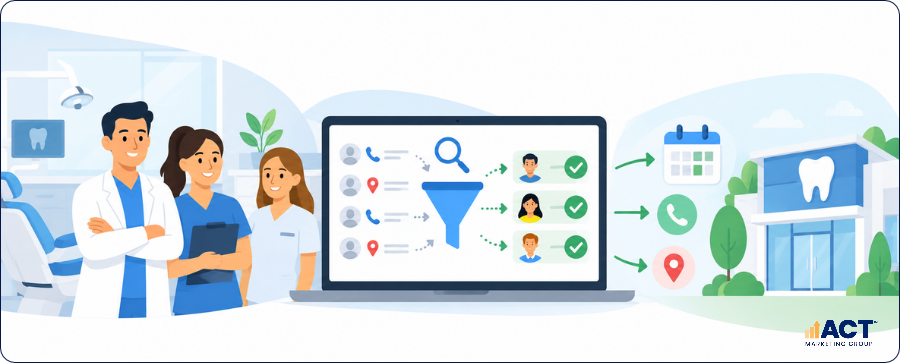
Improve Google Ads Lead Quality with ACT Marketing
Many marketers working with small businesses focus on generating enquiries, but lead quality is equally important. ACT Marketing helps Australian dental practices develop practical digital marketing strategies aligned with their business needs. Reviewing your Google Ads targeting, conversion tracking and enquiry processes provides a useful starting point for improving lead quality and advertising efficiency.
Frequently Asked Questions
Dental clinics can improve their digital strategy by combining relevant Google Ads campaigns with compelling content, useful interactive content and appropriate social media activity. In the year ahead, practices should prioritise accurate information, customer satisfaction and measurable booking outcomes rather than adopting augmented reality simply to capture attention.
Social media can support patient education and brand building, while social commerce tools are generally less suited to clinical services. To stay ahead, dental practices should focus on factual information, responsible content marketing and accessible booking processes rather than promotional pressure.